Precision-engineered aluminum facade solutions pre-tested for extreme thermal isolation, rapid site assembly, and structural wind resistance.
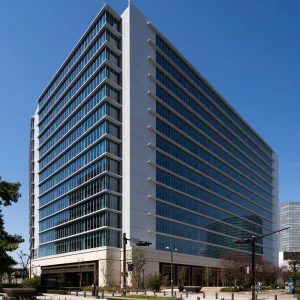
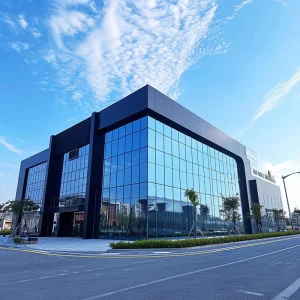
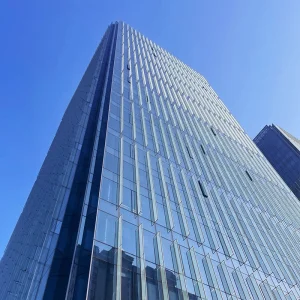
Understanding the unique structural demands, environmental parameters, and green building standards across Southeast Asia’s fastest-growing commercial property hubs.
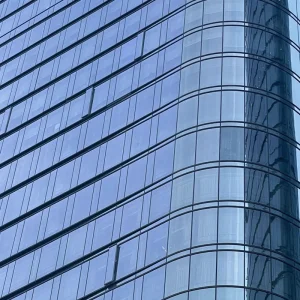
Malaysia’s year-round equatorial climate delivers high solar radiation and extreme relative humidity. Architectural curtain walls must strictly comply with MS 1525 guidelines to achieve a low Overall Thermal Transfer Value (OTTV < 50 W/m²). Utilizing double-silver Low-E argon-filled units with thermal break polyamide struts reduces solar heat gain while preserving optical clarity.
High-rise towers in Kuala Lumpur (TRX, KLCC districts) and coastal developments in Penang and Johor Bahru face severe tropical monsoon storms. Facade systems require structural wind load design capacity up to 3.5 kPa to 5.0 kPa, alongside pressure-equalized rain-screen pressure chambers preventing water ingress under ASTM E331 test standards.
Modern corporate developers demand GBI Gold and Platinum certification. High-performance aluminum curtain wall manufacturers must provide fully recyclable 6063-T6 aluminum alloys, zero-VOC fluorocarbon (PVDF) surface treatments, and embodied carbon tracing documents to meet global institutional procurement mandates.
Empowering global developers with high-precision fabrication, automated CNC machining, and streamlined delivery to Port Klang and Tanjung Pelepas.
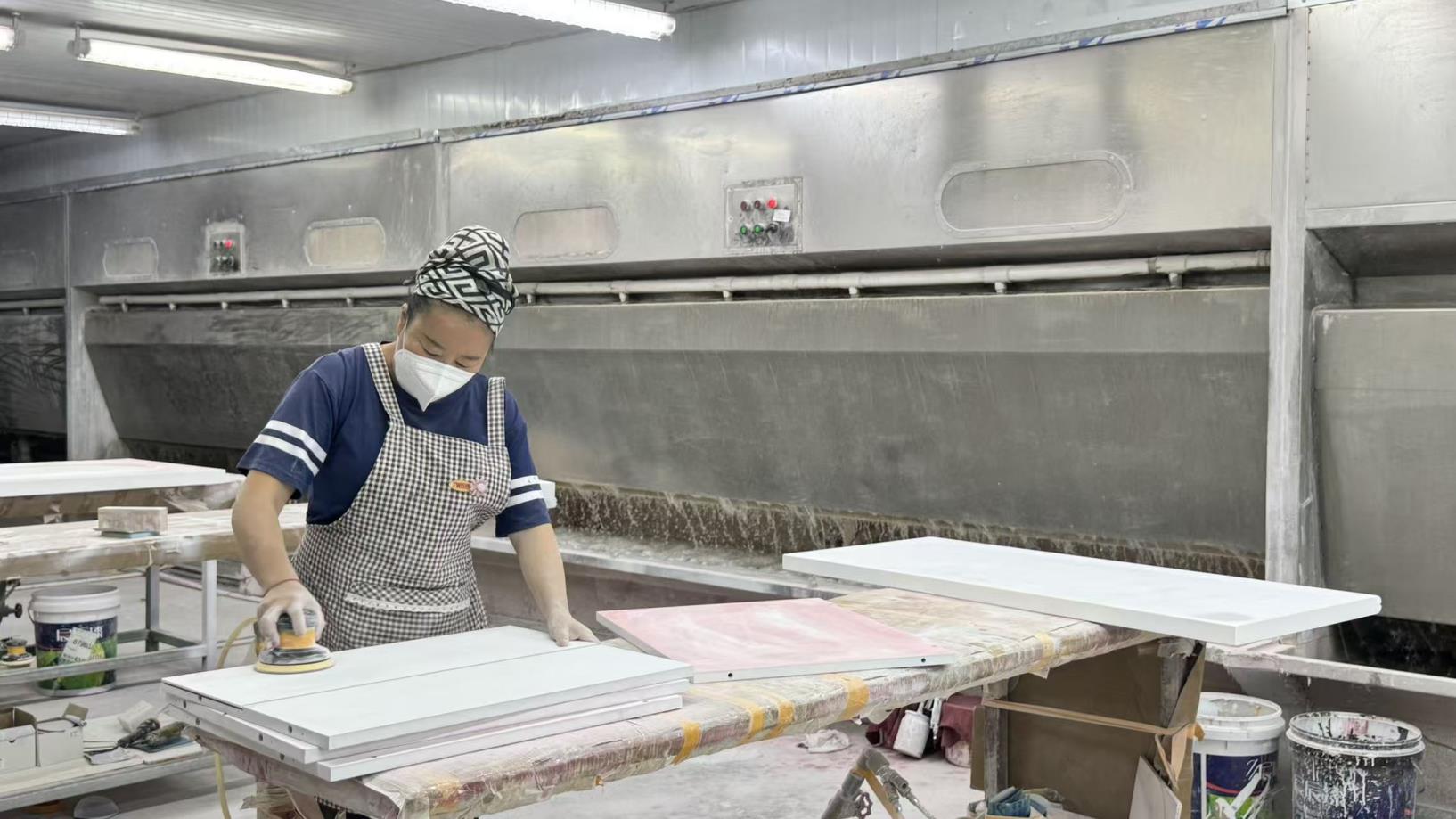
Founded in 2015, Tianjin Kross Window & Door Technology Co., Ltd. operates an advanced production facility spanning 35,000 square meters. Backed by 11 years of deep industry expertise and 8 years of global trade experience, the company generates an annual export revenue of $31 million. Our key export markets encompass North America, Western Europe, Australia, and rapidly expanding Southeast Asian territories including Malaysia, serving commercial property developers, facade contractors, and specialized door & window distributors.
Quality control is strictly managed by our team of 42 QC technicians executing rigorous water tightness testing, structural load checks, dynamic deflections, and air infiltration measurements. Supported by a robust network of 850 supply chain partners, Kross excels in custom solutions including thermal break profiles, triple-glazed acoustic glass, and custom anodized or PVDF finishes. Driven by an R&D department of 58 structural engineers, we successfully introduced 65 new window and facade structural designs over the past year.
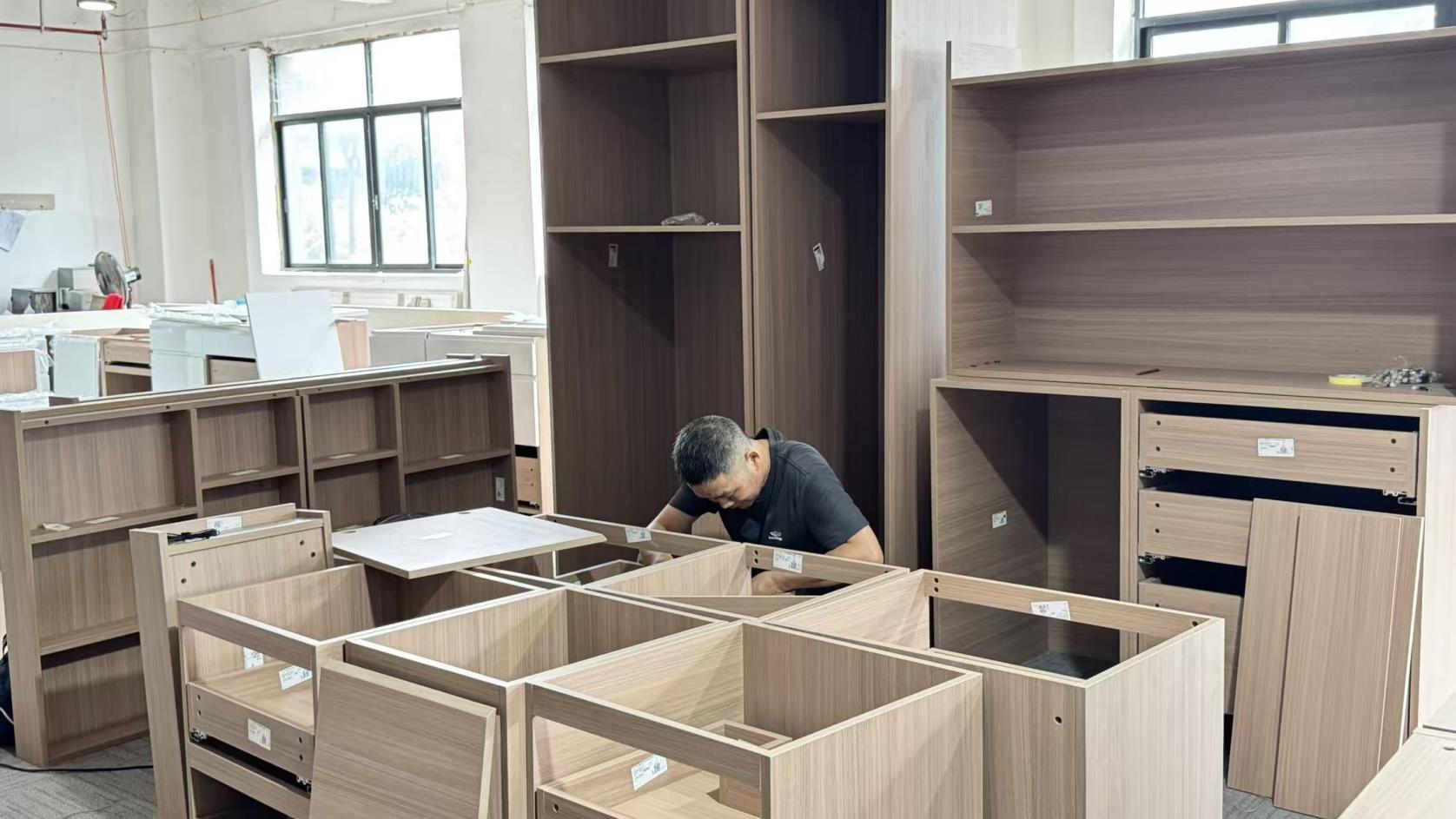
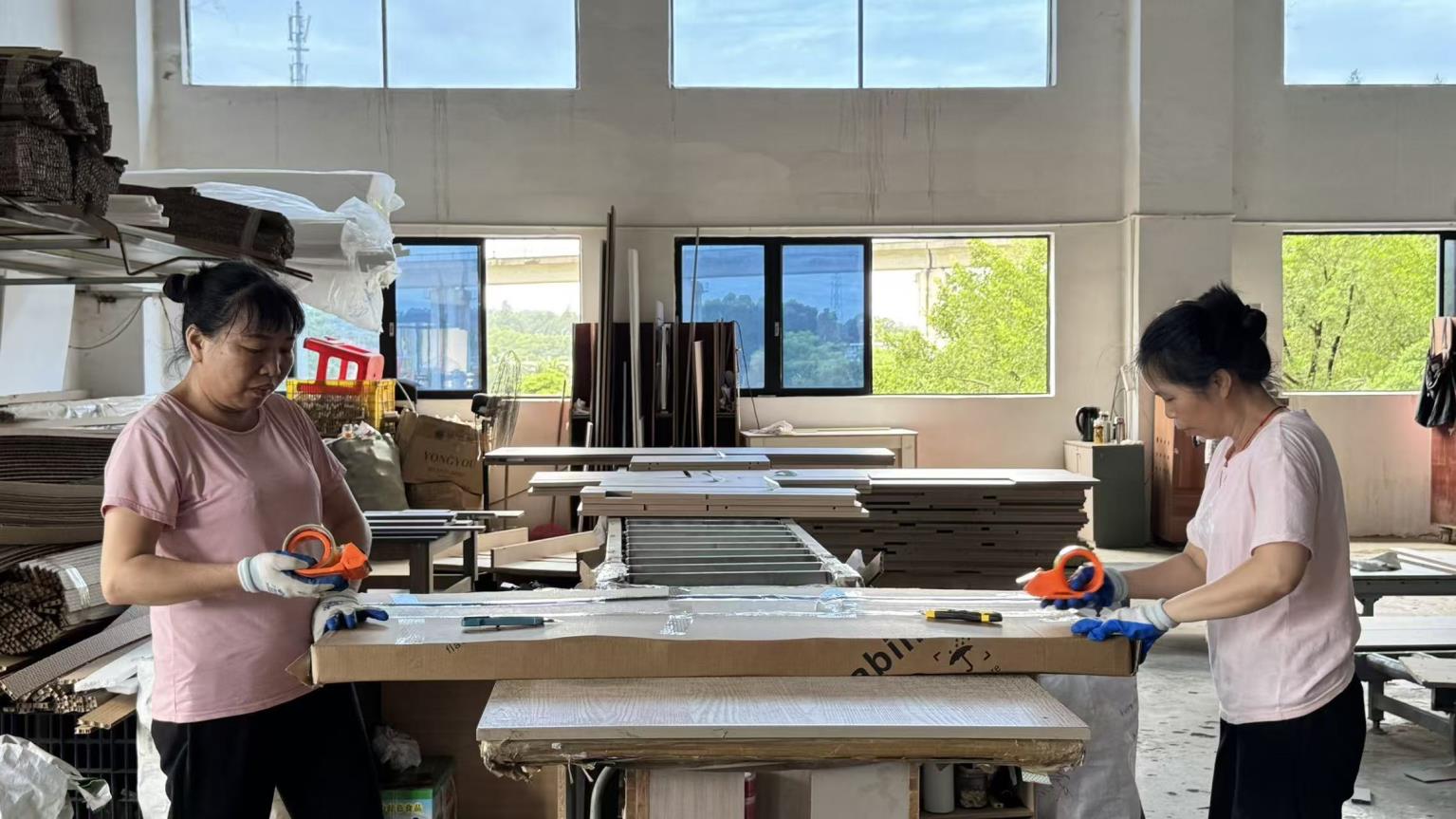
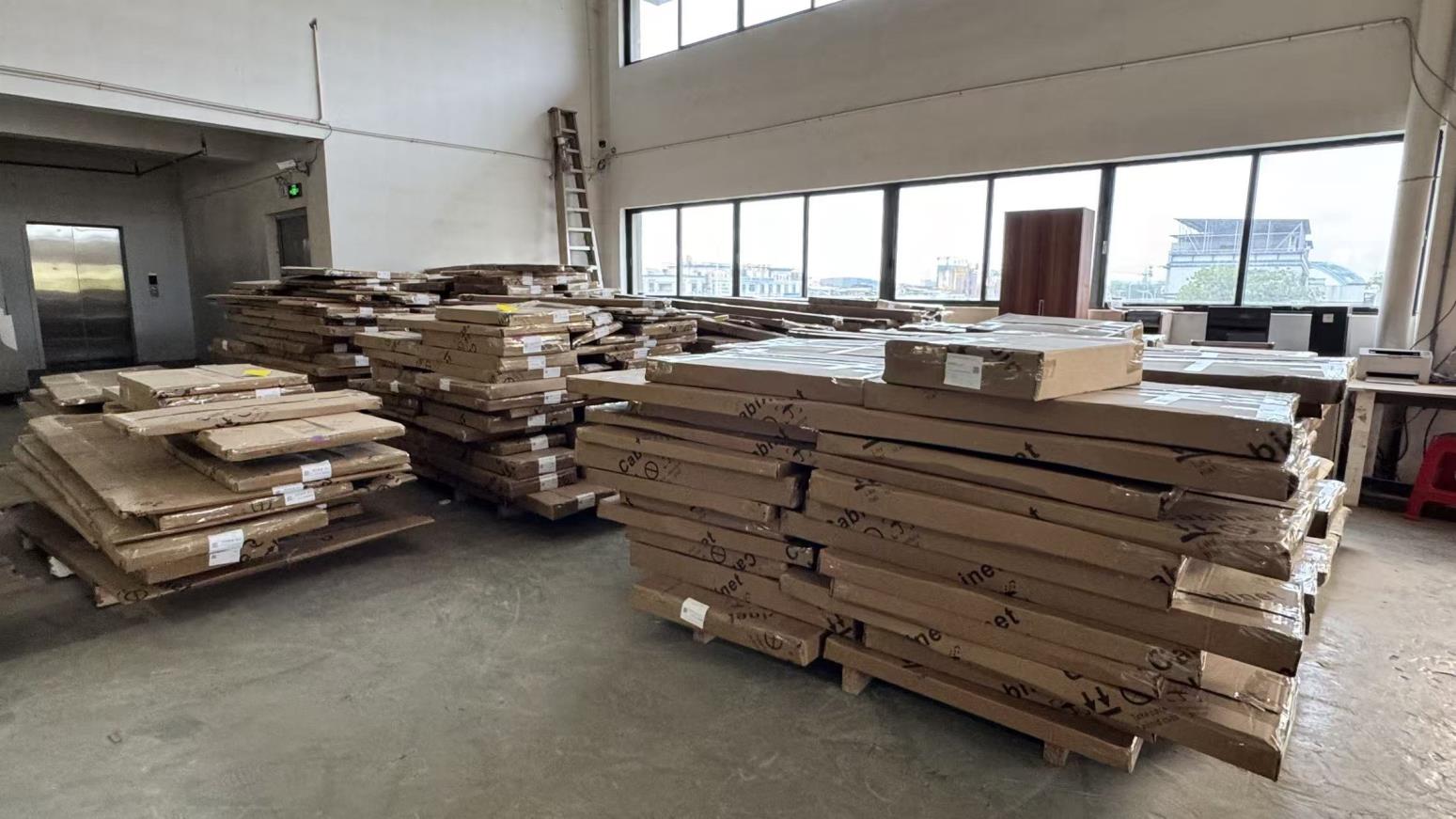
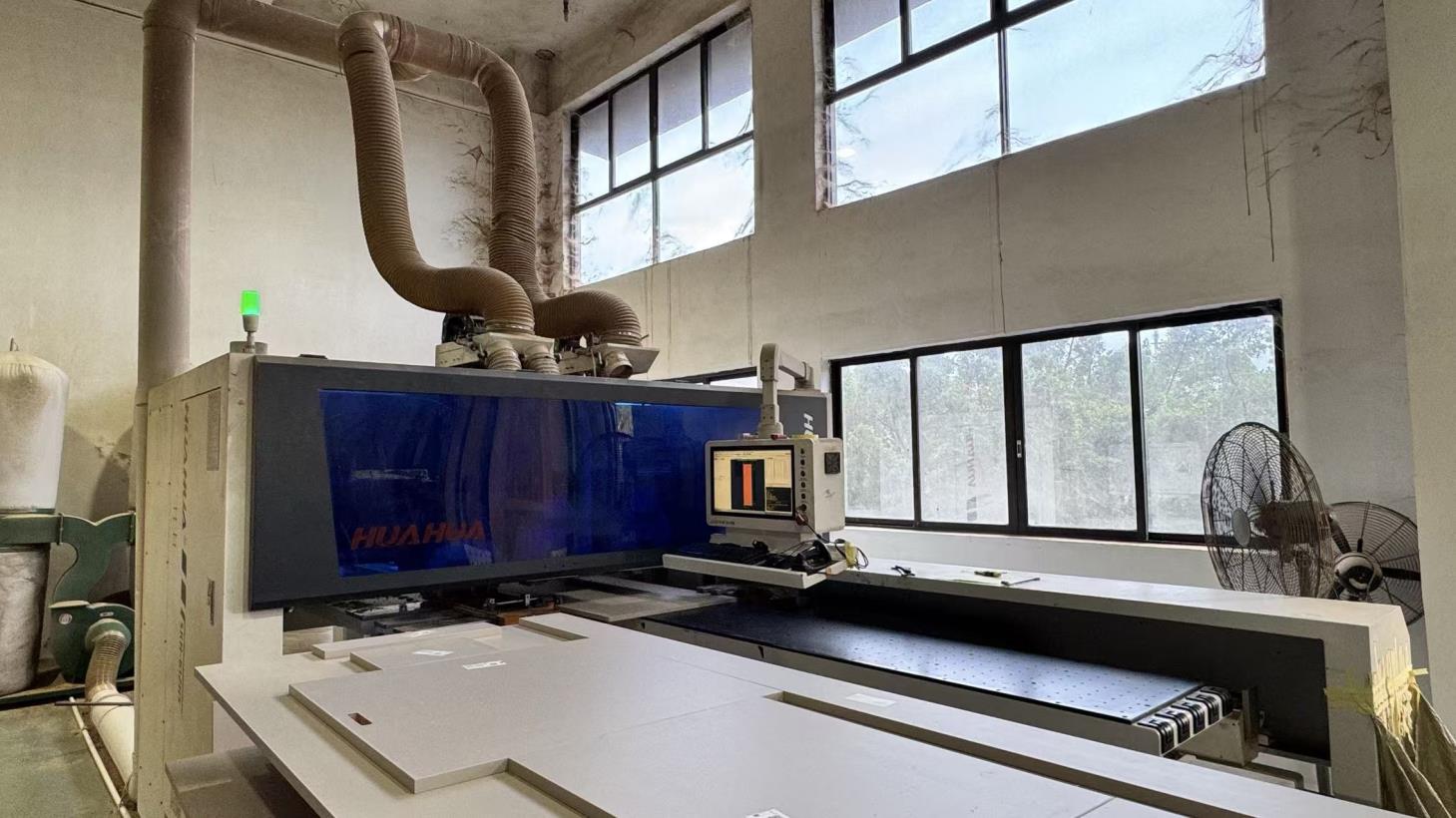
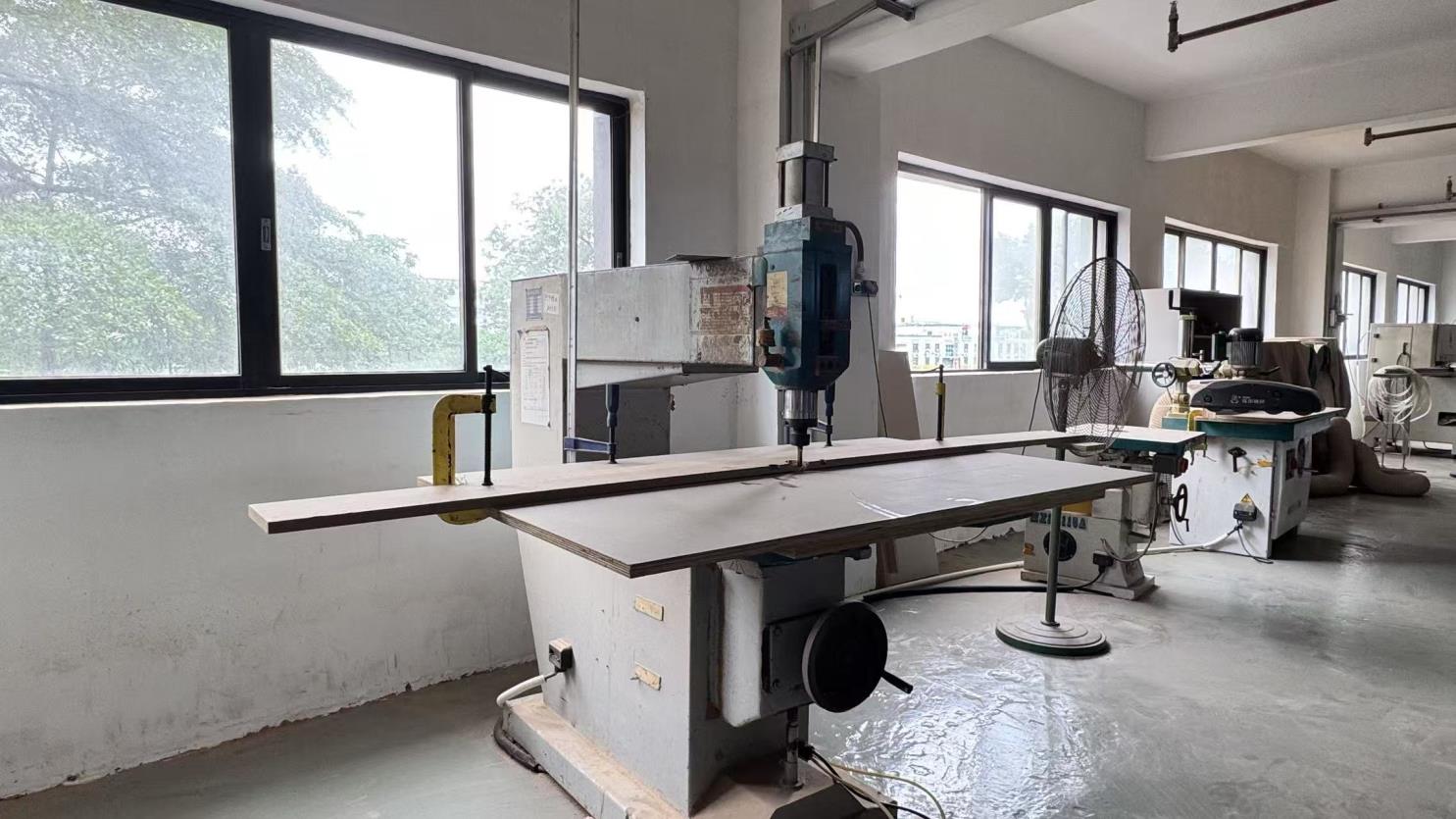
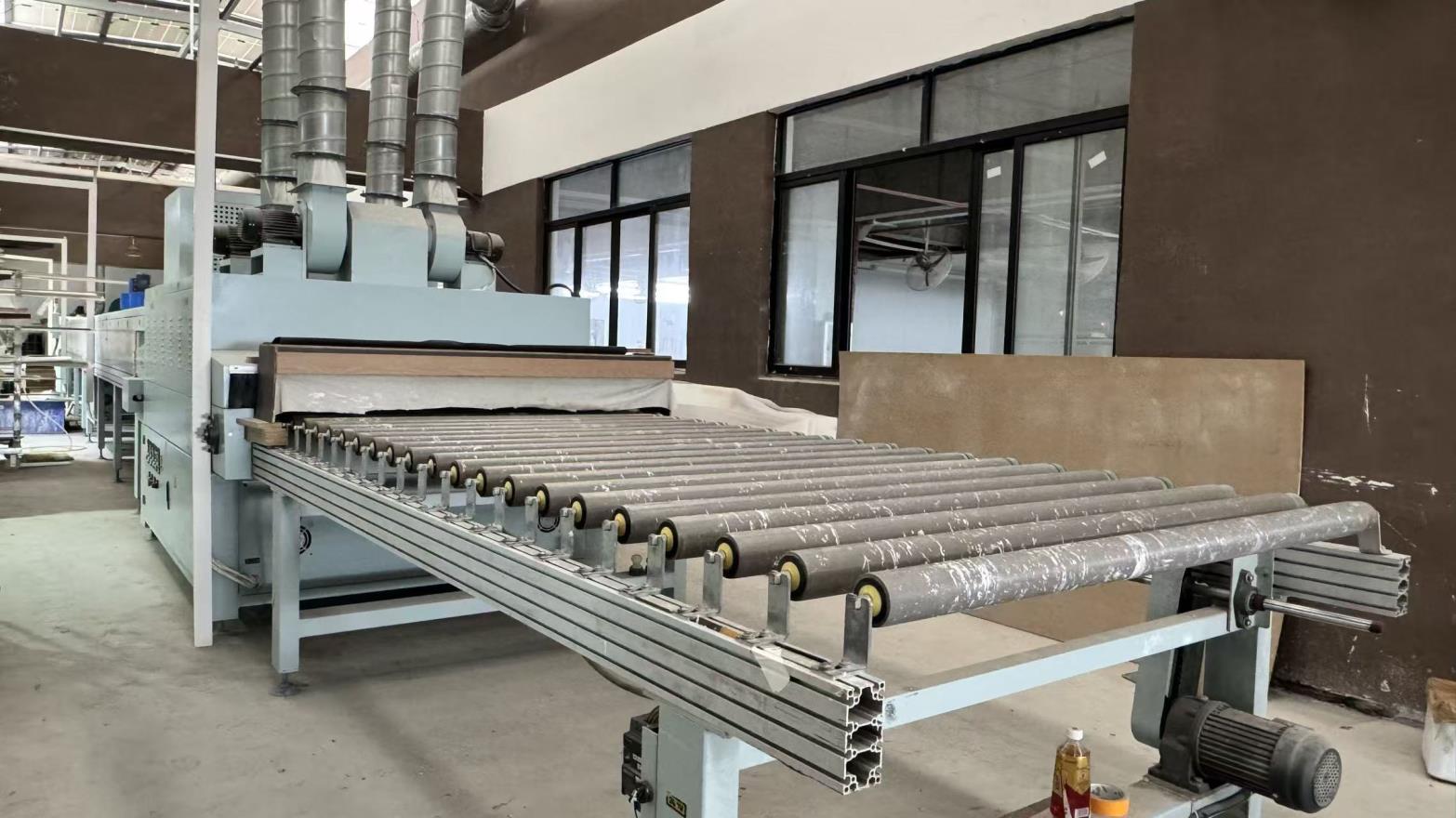
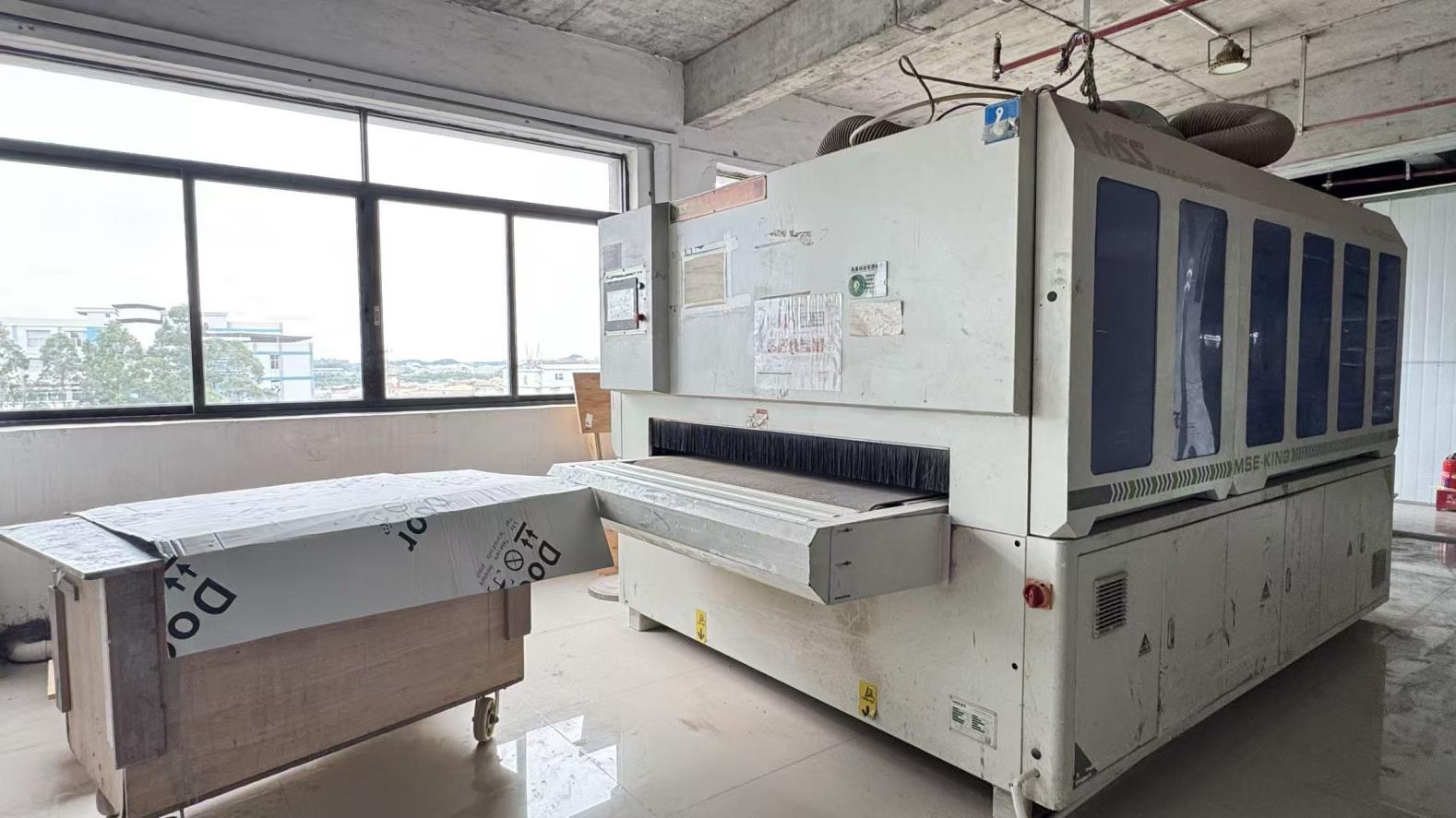
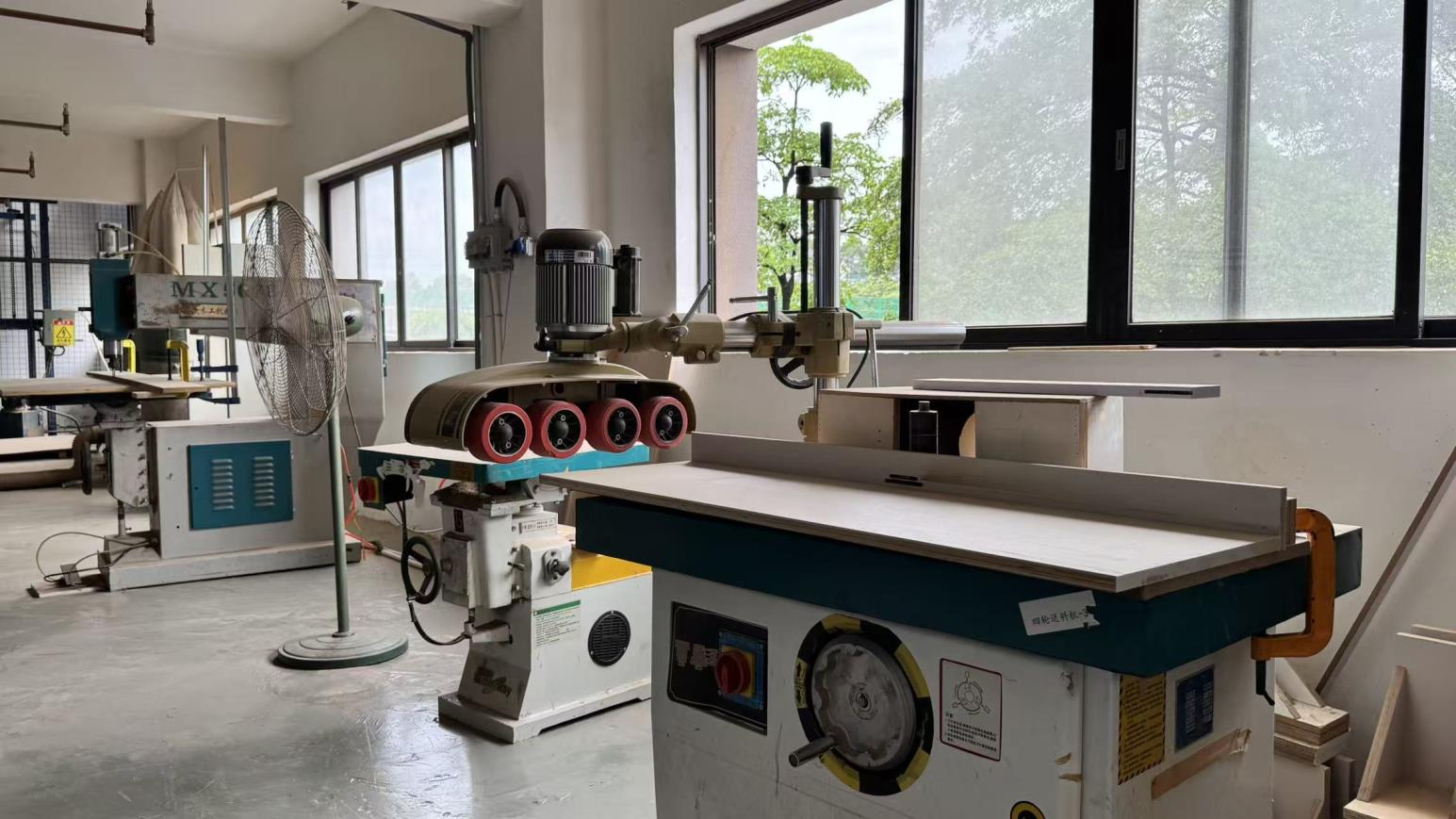
Explore our automated 35,000 m² plant, equipped with high-end CNC machining centers, automated polishing lines, and strict quality assurance steps.
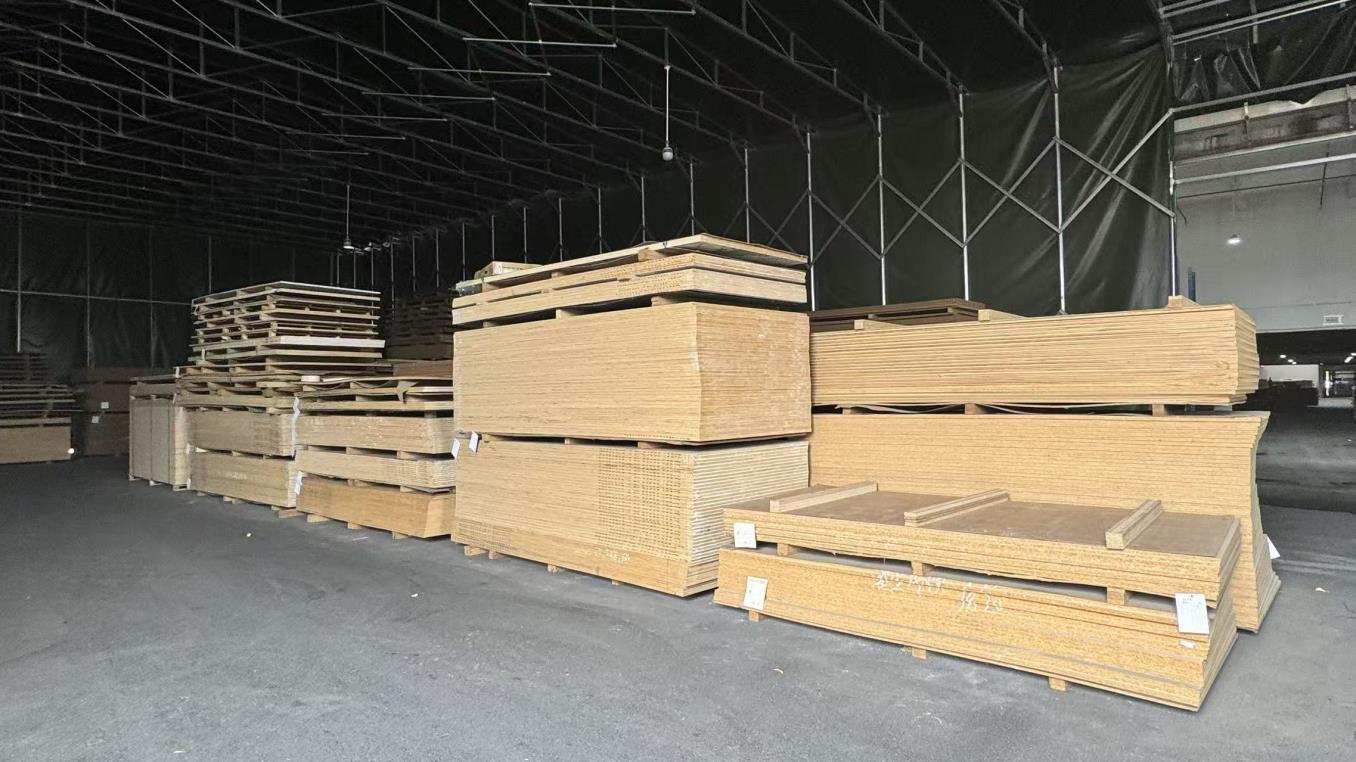
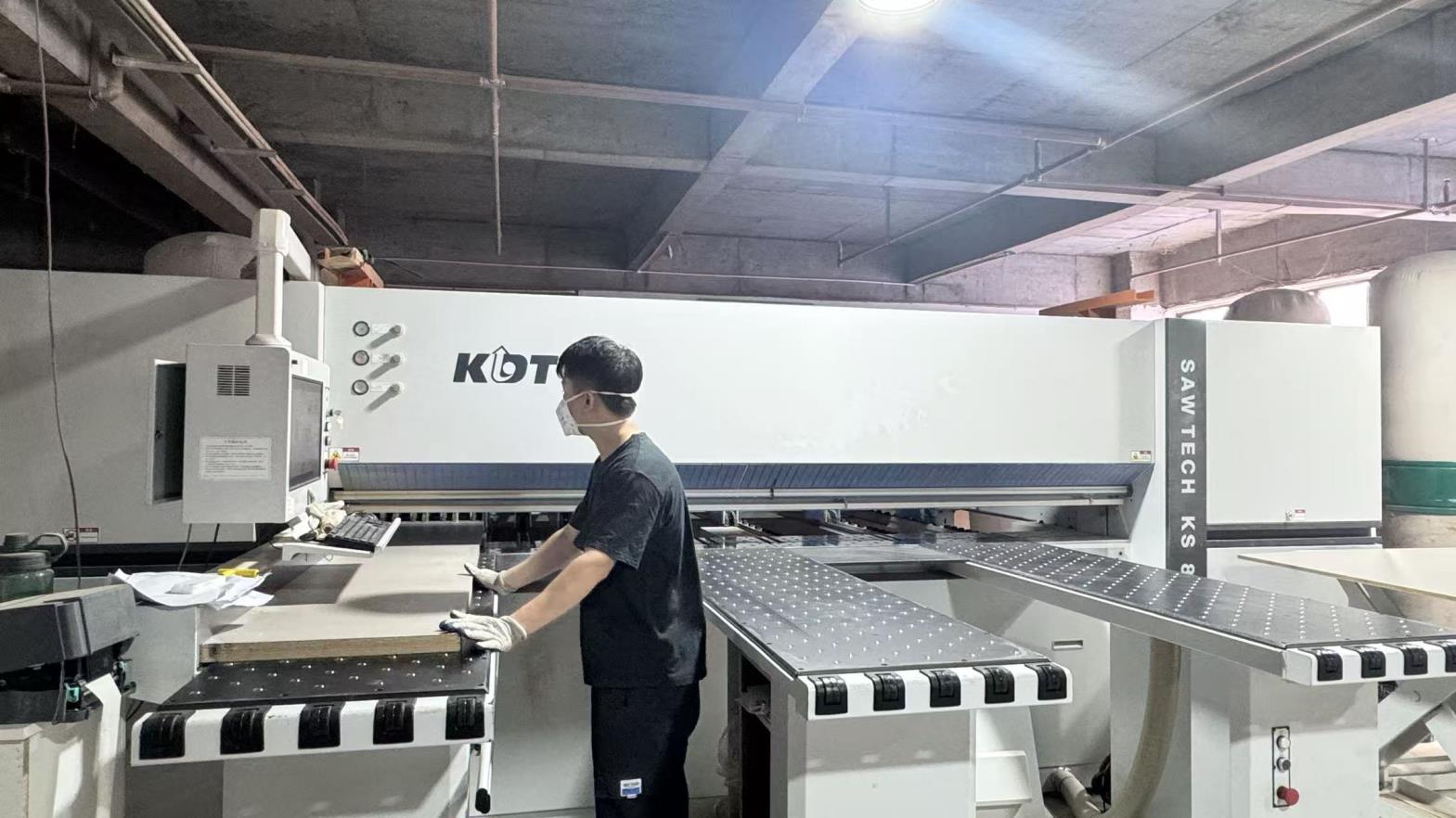
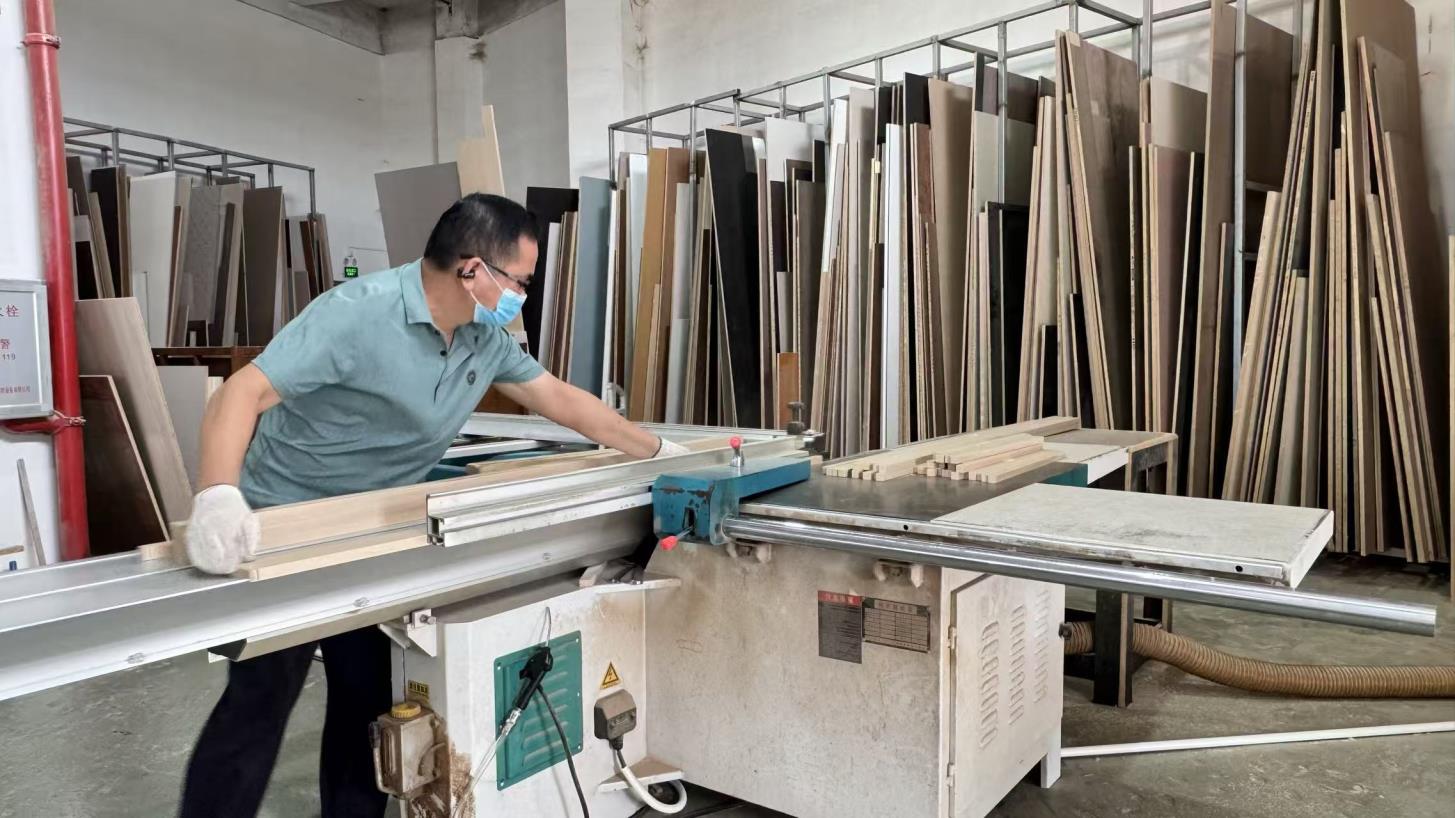
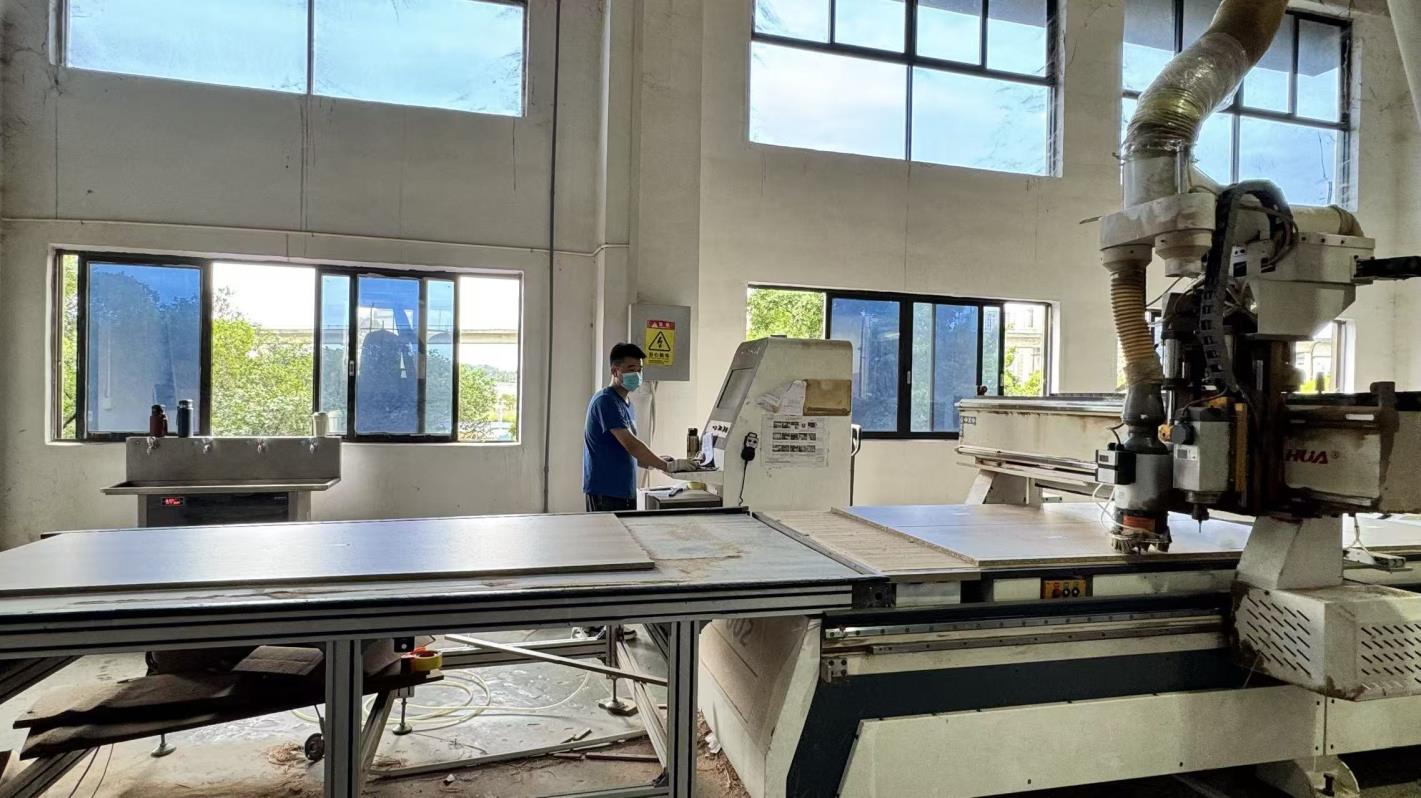
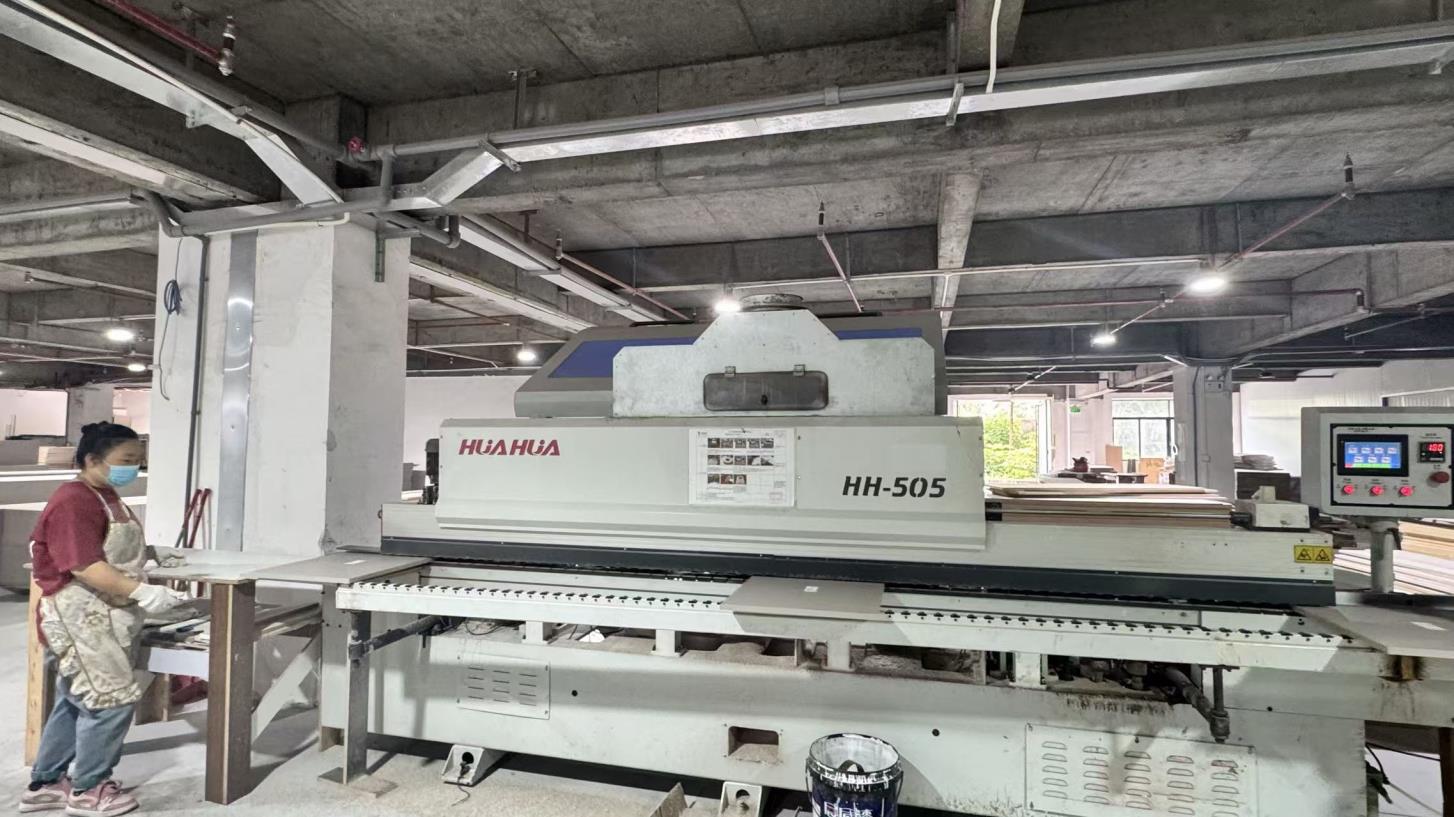
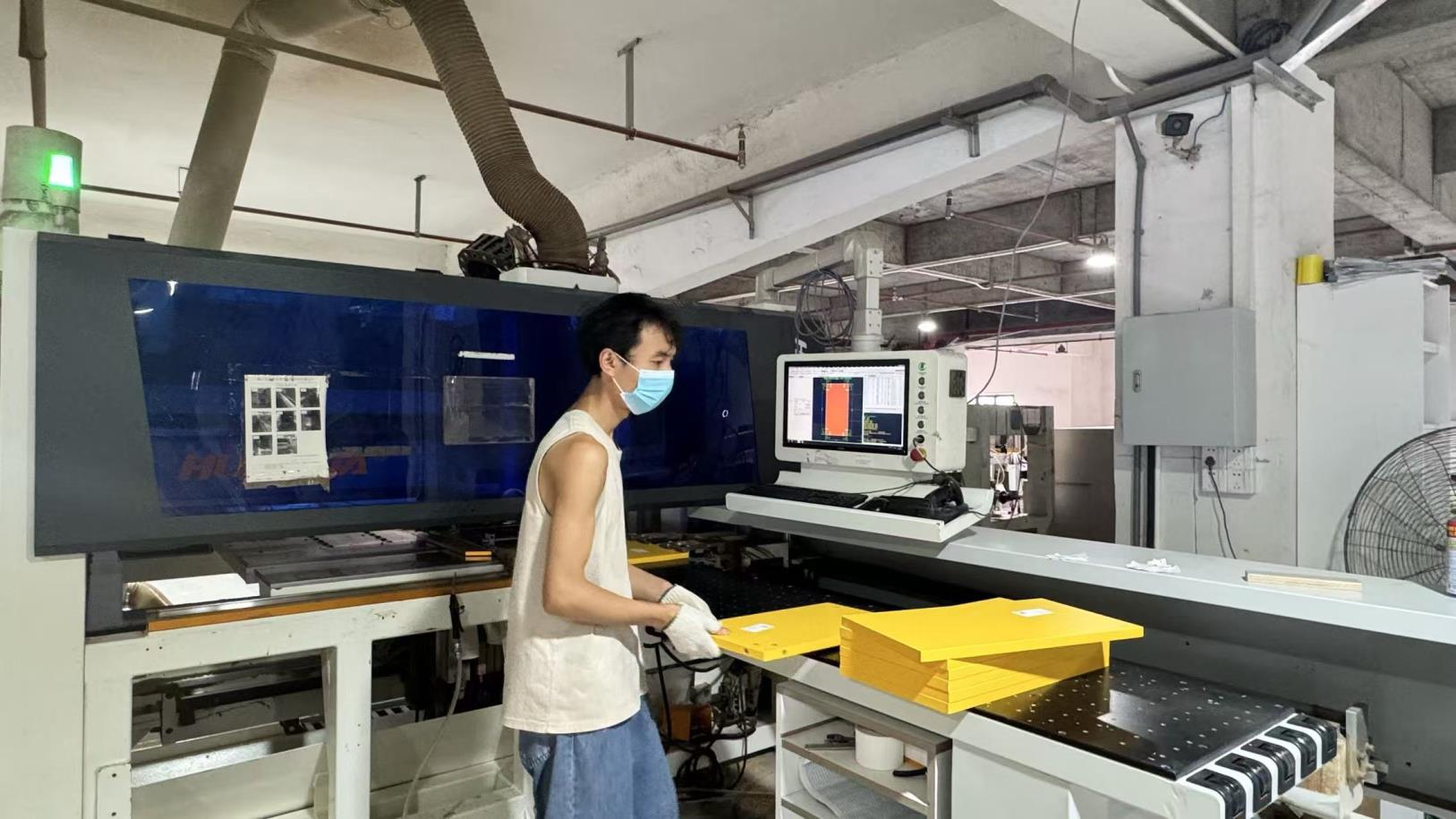
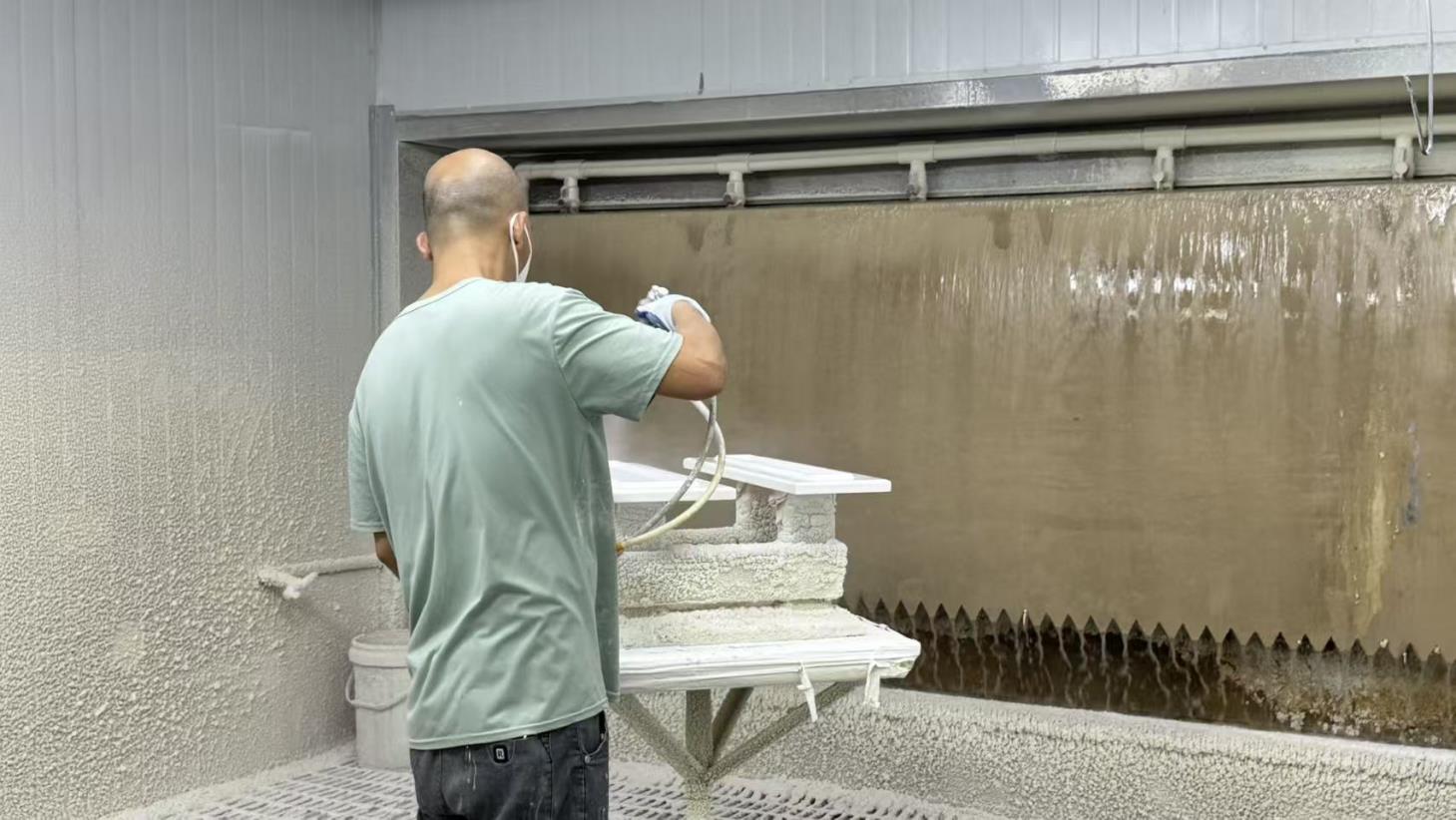
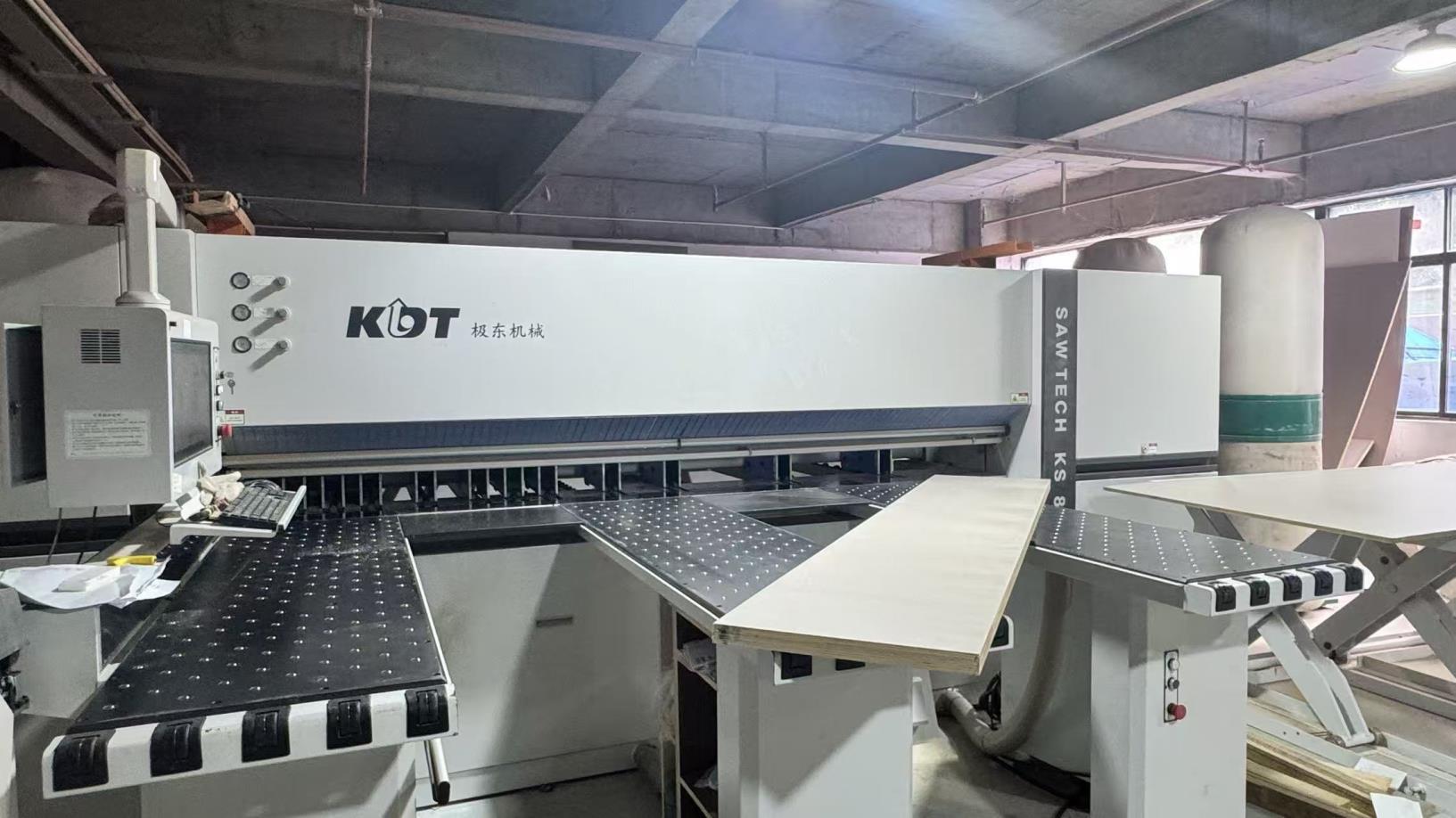
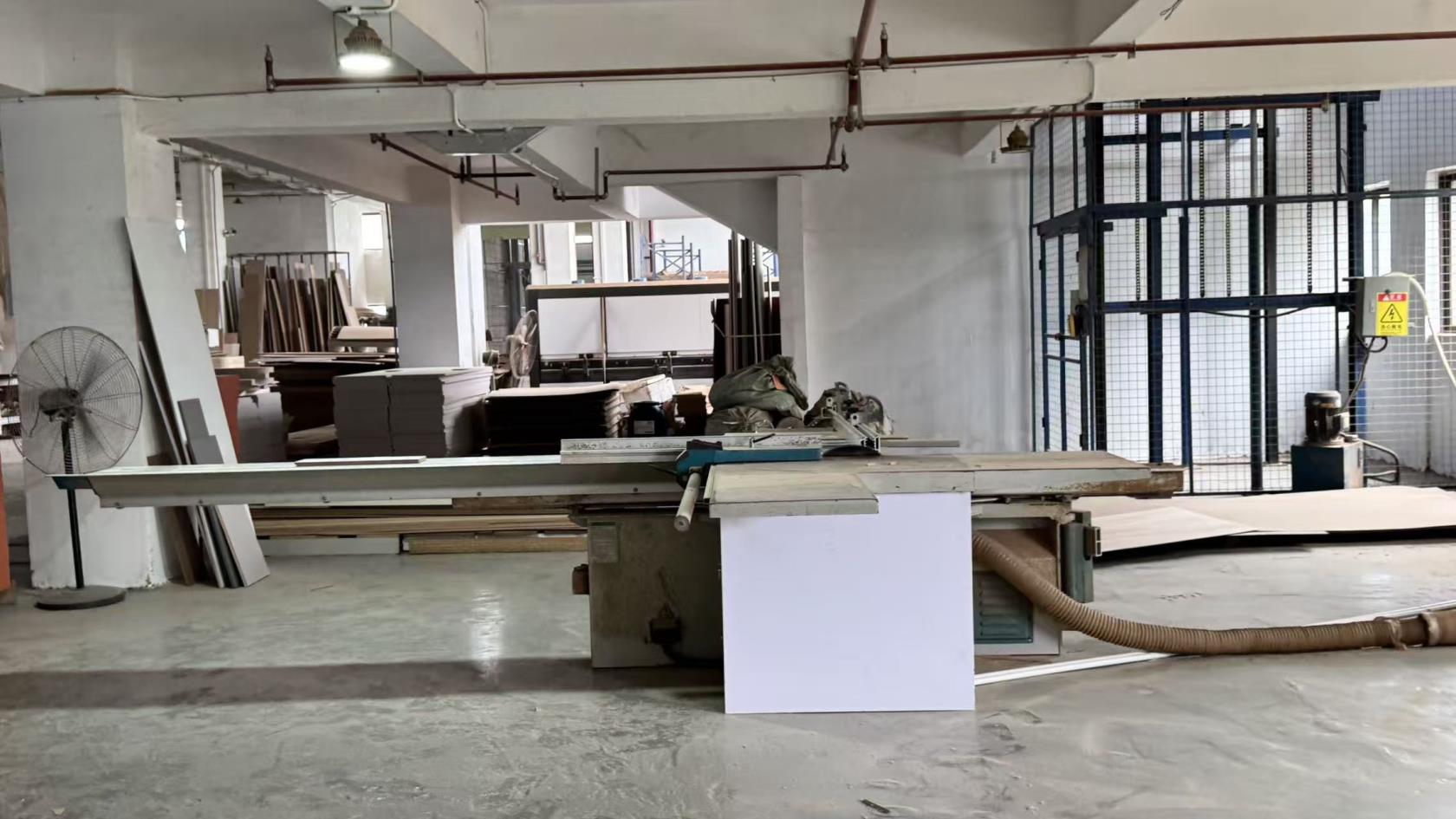
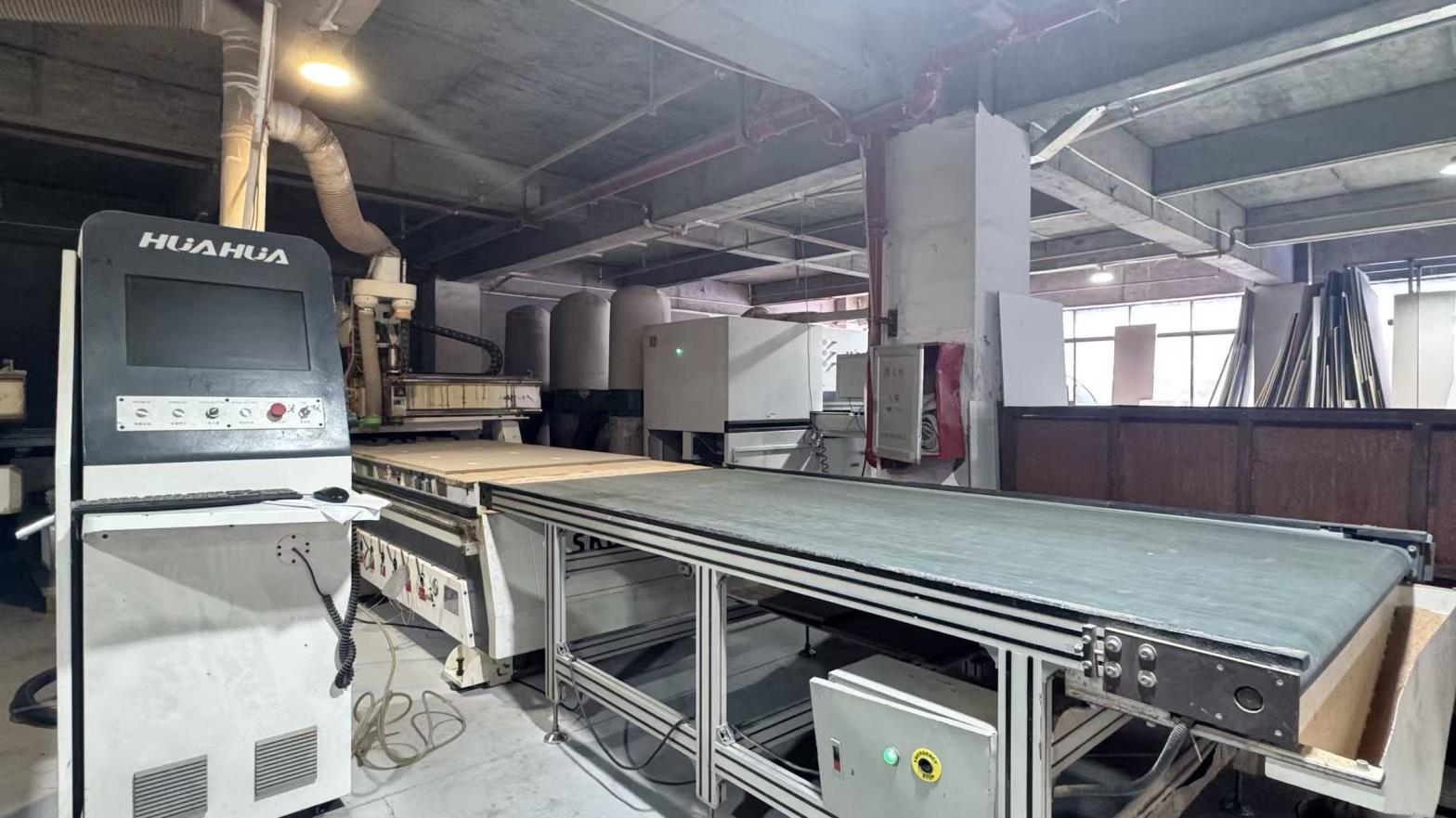
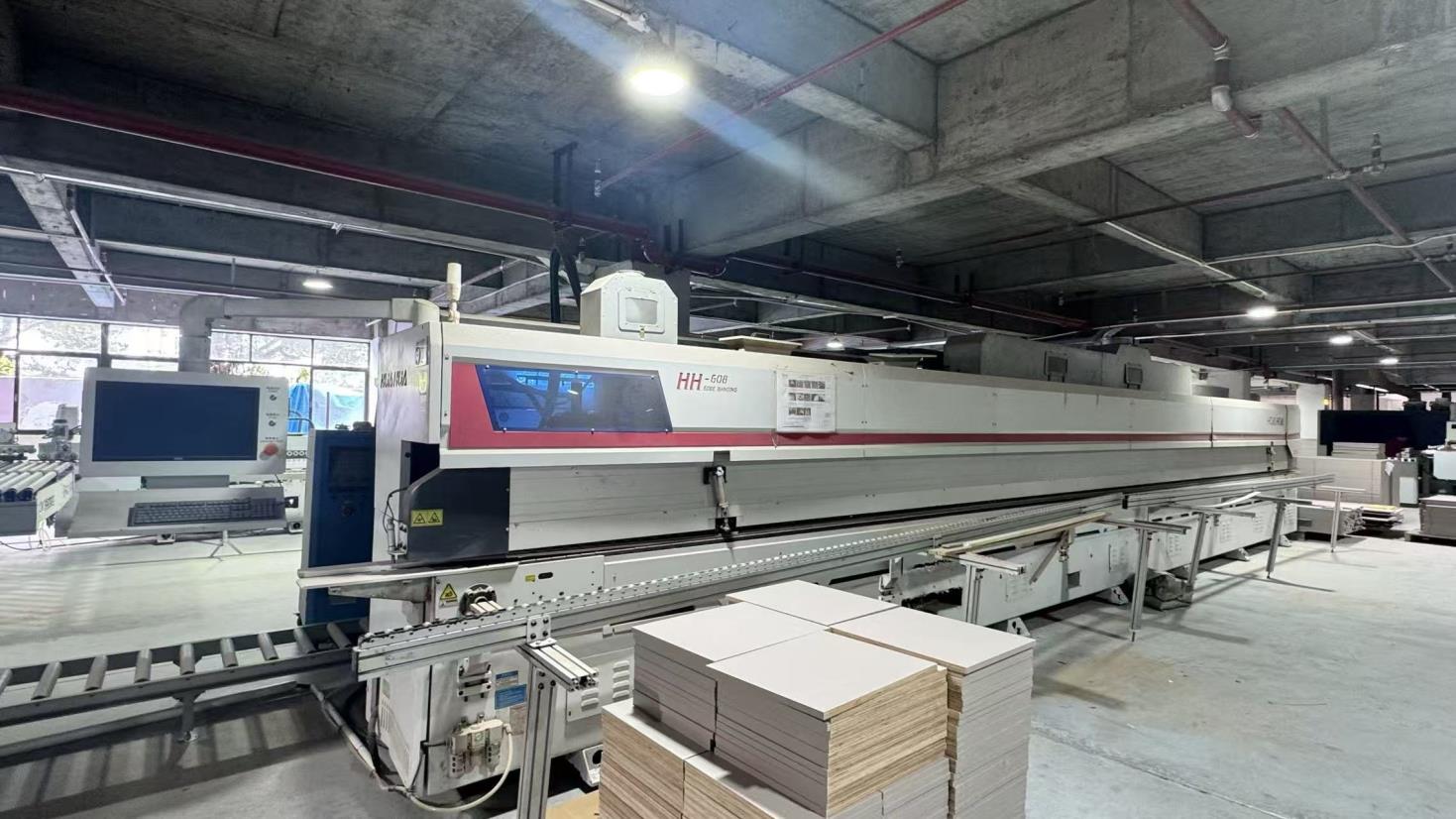
A clear breakdown of performance metrics tailored for structural engineers, facade consultants, and main contractors in Southeast Asia.
| System Type | Structural Wind Resistance | Water Tightness (ASTM E331) | Thermal U-Value (W/m²K) | Acoustic Rating (STC) | Ideal Application Scenario |
|---|---|---|---|---|---|
| Unitized Curtain Wall | Up to 5.0 kPa | 750 Pa (Static & Dynamic) | 1.2 - 1.8 | 42 - 48 dB | High-rise towers (KLCC, TRX), tight urban timelines |
| Stick Curtain Wall | Up to 3.5 kPa | 600 Pa | 1.5 - 2.2 | 38 - 42 dB | Low-to-mid rise podiums, complex geometric facades |
| Frameless Glass Wall | Up to 2.8 kPa | 500 Pa | 1.8 - 2.4 | 35 - 40 dB | Luxury retail entrances, shopping centers, grand lobbies |
| Custom Curved Facade | Up to 4.0 kPa | 650 Pa | 1.4 - 2.0 | 40 - 45 dB | Iconic cultural centers, corporate headquarters, airports |
Custom engineering solutions designed to support major real estate developments, high-tech industrial parks, and luxury resorts across East & West Malaysia.
Focusing on commercial megaprojects in Tun Razak Exchange (TRX), Mont Kiara, and Cyberjaya. Unitized prefabricated curtain walls dramatically speed up high-rise vertical construction while delivering superior acoustic damping against dense traffic noise.
Designed for cleanrooms, R&D campuses, and semiconductor manufacturing facilities in Bayan Lepas and Kulim Hi-Tech Park. Incorporates specialized low-emissivity glass and solar shade mullions to manage internal heat loads.
Tailored for modern logistics centers, cross-border commercial complexes, and data centers in Iskandar Malaysia. Features hurricane-impact and blast-resistant structural glazing systems engineered for enhanced physical security.
Clear answers addressing technical compliance, freight logistics, wind load engineering, and installation workflows.
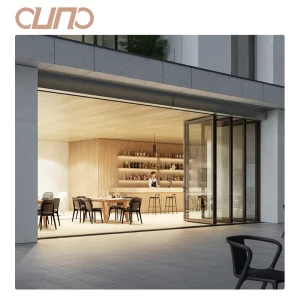
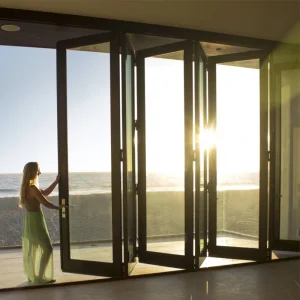
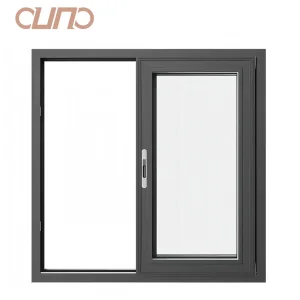
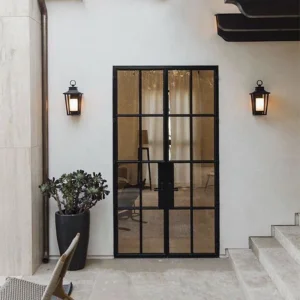
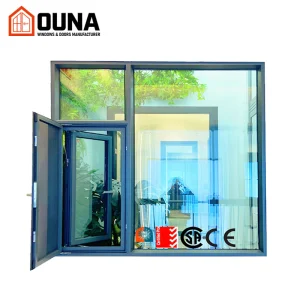
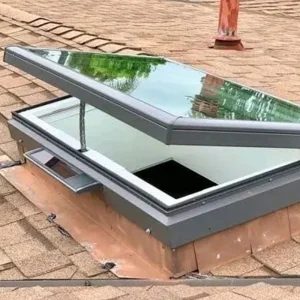
Browse our extended product lines engineered for commercial complexes, high-end residential towers, and specialized modern developments.
Contact our Senior Architectural Engineering team today for preliminary structural calculations, thermal simulations (OTTV/U-value), custom shop drawings, and competitive direct-from-factory pricing.
Send Inquiry Now Kross Window