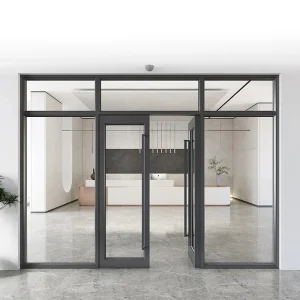
Engineered for high foot-traffic, extreme thermal bridge isolation, and Nordic aesthetic integration.
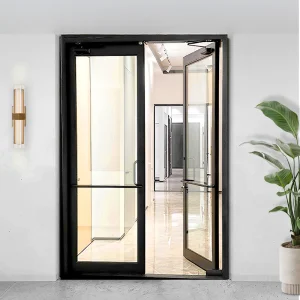
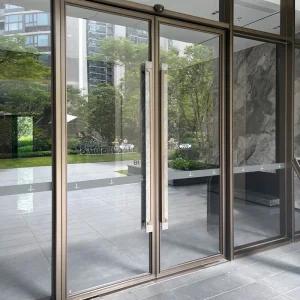
Understanding the shift toward zero-energy commercial envelopes and advanced structural aluminum engineering.
Modern commercial door manufacturing has moved far beyond raw extruded profiles. Global architectural trends demand hyper-efficient thermal barriers utilizing continuous Polyamide PA66 GF25 (25% glass-fiber reinforced) struts. These thermal breaks effectively isolate internal and external aluminum frames, stopping cold conduction in sub-zero winter ecosystems.
Commercial facades in coastal and northern European sectors face severe dynamic wind pressures. State-of-the-art aluminum door systems are engineered with heavy-duty structural corner keys, double-bonded structural glazing silicone, and heavy-wall extruded profiles (up to 3.0mm wall thickness) ensuring structural load capacity rated above Class E2400 under EN 12210 testing.
Meeting Boverket’s Building Regulations (BBR), Nordic environmental certifications, and sub-zero Arctic performance requirements.
Sweden’s commercial construction sector is defined by stringent energy regulations, minimal environmental impact mandates, and sleek Scandinavian architectural design. Commercial door manufacturers supplying the Swedish market—from urban epicenters like Stockholm, Gothenburg, and Malmö to northern industrial hubs like Kiruna and Luleå—must adhere to uncompromising technical benchmarks.
Swedish National Board of Housing, Building and Planning (Boverket) mandates ultra-strict overall thermal transmittance values. Standard commercial entry systems are expected to reach whole-door U-values of Ud ≤ 0.8 - 1.0 W/(m²·K). This requires triple-glazed low-E argon-filled units combined with precision polyamide thermal breaks.
Sustainability in Sweden demands full material transparency. Commercial door factories must ensure all raw materials, anodizing sealants, rubber gaskets (EPDM), and glass lubricants comply with BVB and SundaHus environmental registries, avoiding toxic polycyclic aromatic hydrocarbons (PAHs) or restricted heavy metals.
Commercial retail, hotel entrance halls, and office complexes situated along major Swedish transit corridors require sound reduction indexes reaching Rw + Ctr ≥ 38 - 45 dB to isolate high-frequency city transit noise from indoor working environments.
Architectural innovations shaping the next decade of commercial fenestration.
Next-generation commercial swing and sliding doors are shifting from thick triple-glazing to ultra-thin Vacuum Insulated Glass (VIG). VIG technology provides thermal performance equivalent to a solid brick wall (U-values down to 0.4 W/m²K) while reducing structural weight by up to 50%, prolonging hardware hinge longevity in high-frequency commercial entries.
Modern commercial properties across Sweden demand seamless connection with Building Management Systems (BMS). Embedded motorized multipoint locks, concealed automatic operators, biometric sensor arrays, and real-time door seal status monitors allow remote energy audits and security automation.
With Sweden targeting zero net greenhouse gas emissions by 2045, commercial facade developers actively specify certified post-consumer recycled aluminum extrusion billets processed using renewable hydro-electric power, achieving cradle-to-cradle carbon footprints below 4.0 kg CO2e per kg of profile.
In coastal regions like Gothenburg and Helsingborg, maritime salt spray accelerates surface oxidation. Future door coatings utilize Qualanod Class 25 anodizing and Qualicoat Class 3 super-durable fluoropolymer powder coatings, guaranteeing 30+ years of color retention and zero filiform corrosion.
Engineered hardware and profile solutions for distinct commercial environments.
High-clearance auto-sliding and heavy-duty automatic swing entry systems equipped with continuous drop-down bottom weather seals, heavy-duty overhead concealed closers, and ultra-clear low-iron glass for maximum display visibility and thermal protection.
Thermal-break aluminum entrance doors combined with integrated curtain wall connections, offering sleek narrow sightlines, electronic access strike integration, and acoustic glazing for silent indoor working atmospheres.
Heavy-duty anti-theft security doors engineered to EN 1627 RC3 standards, featuring reinforced stainless steel mesh screens, multi-point lock rods, and impact-resistant laminated security glass panels.
World-class engineering infrastructure serving global commercial markets.
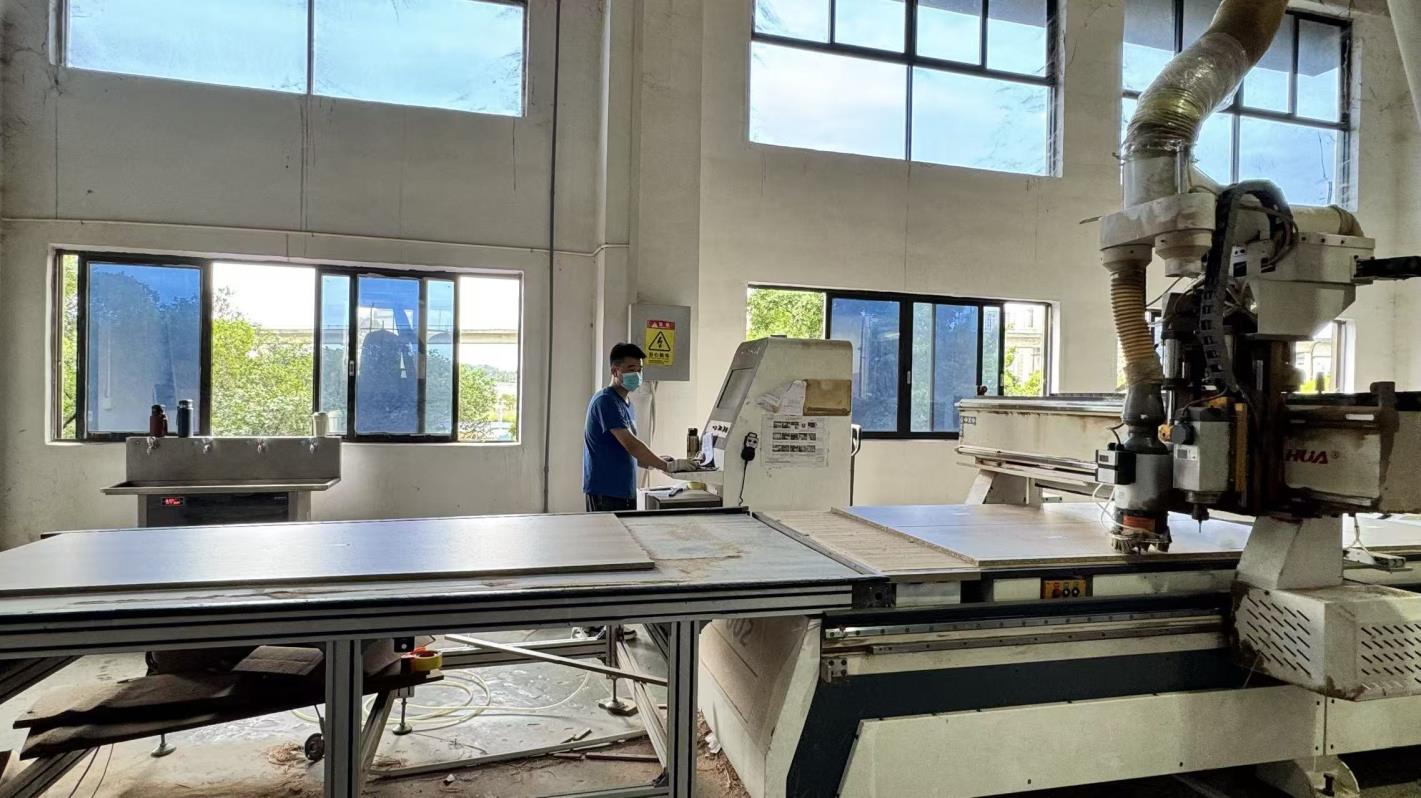
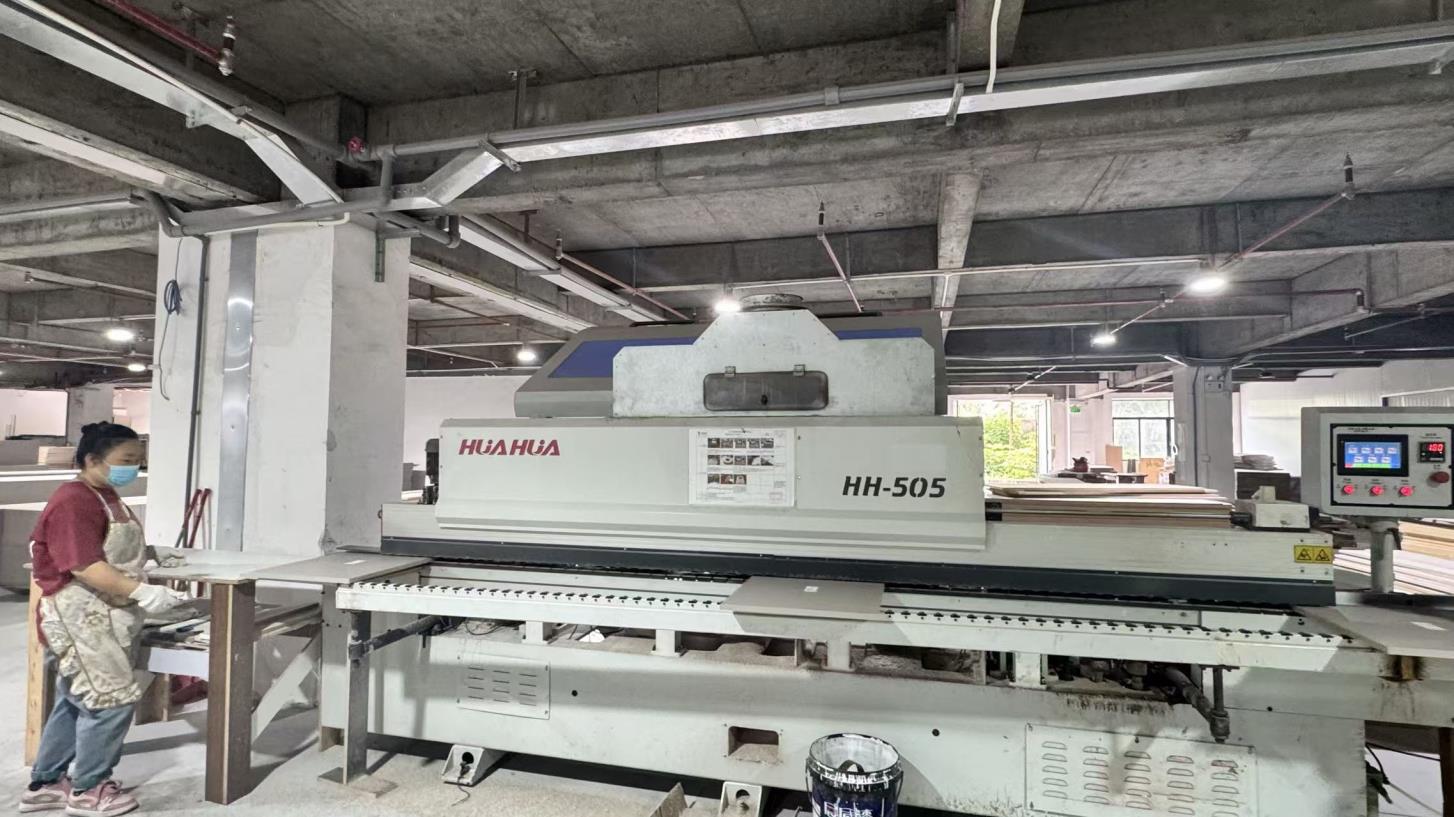
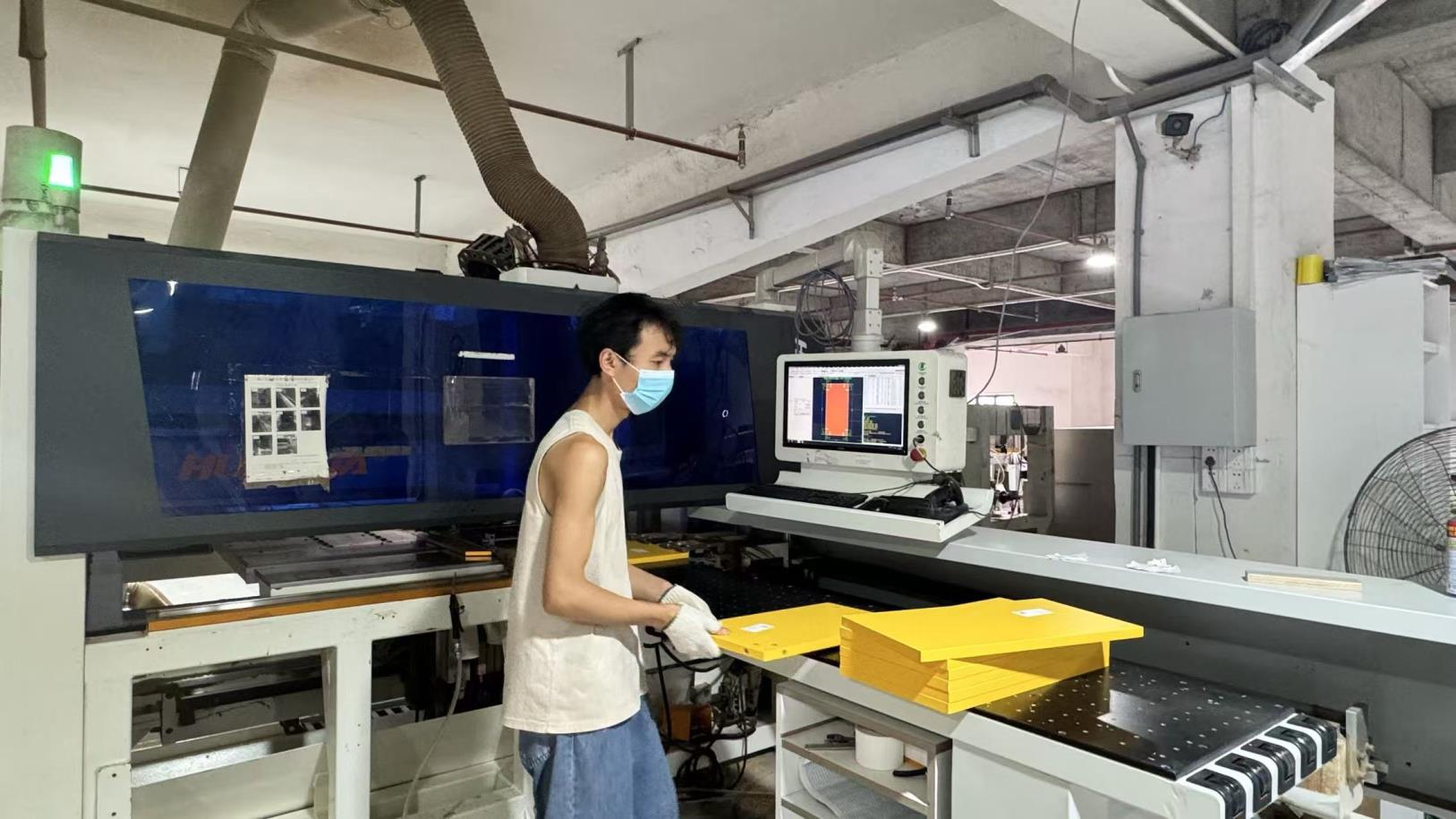
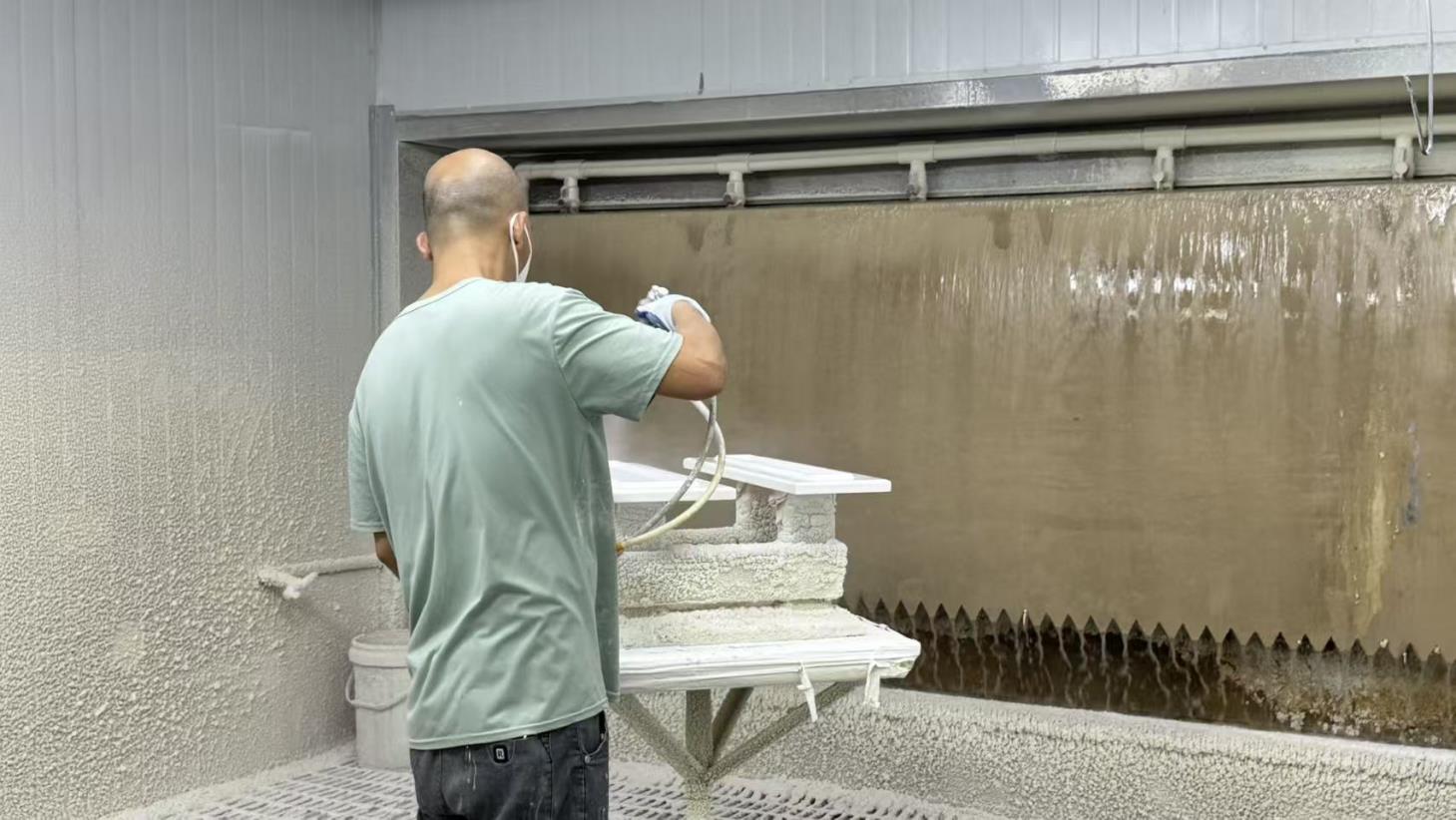
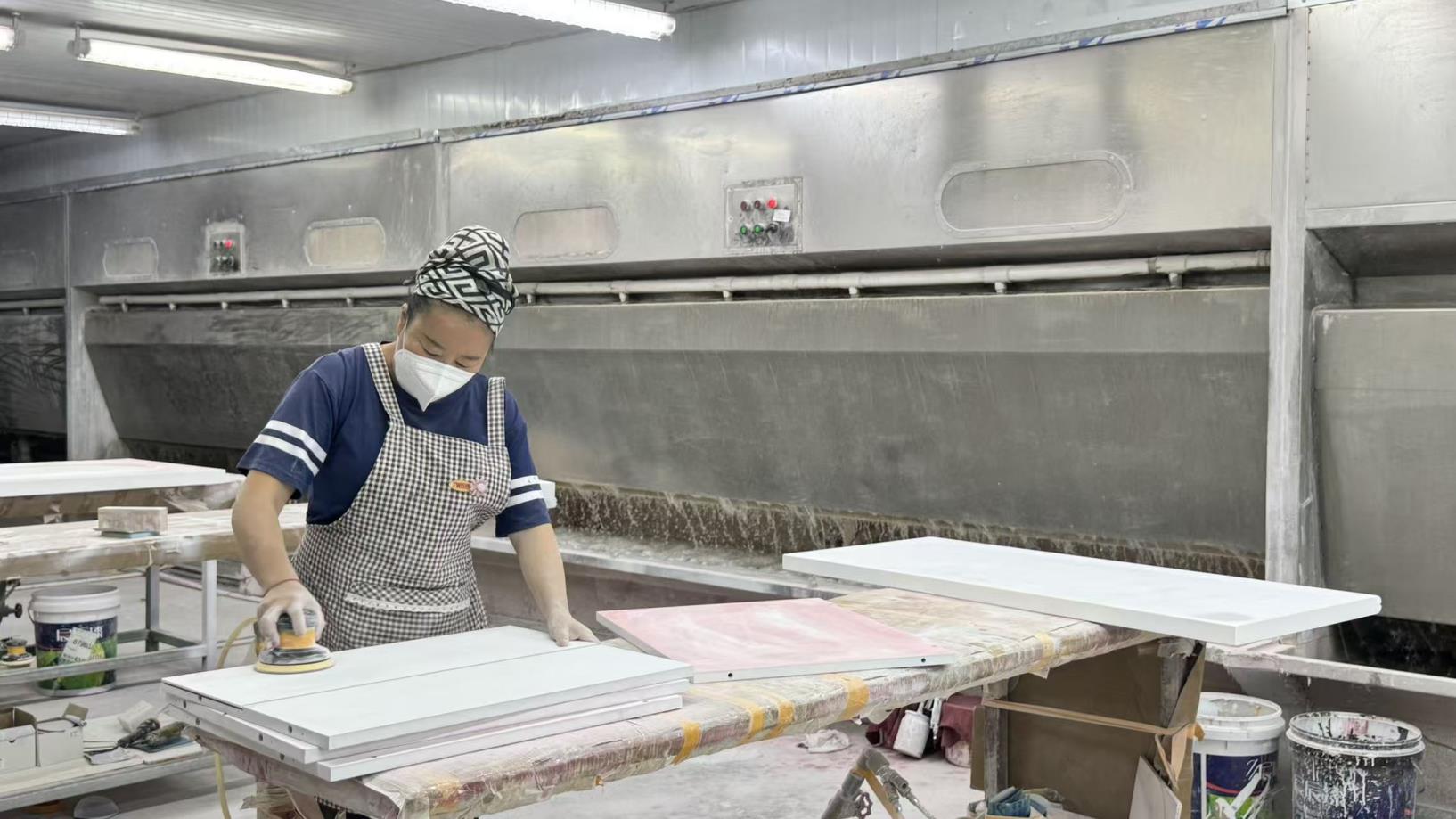
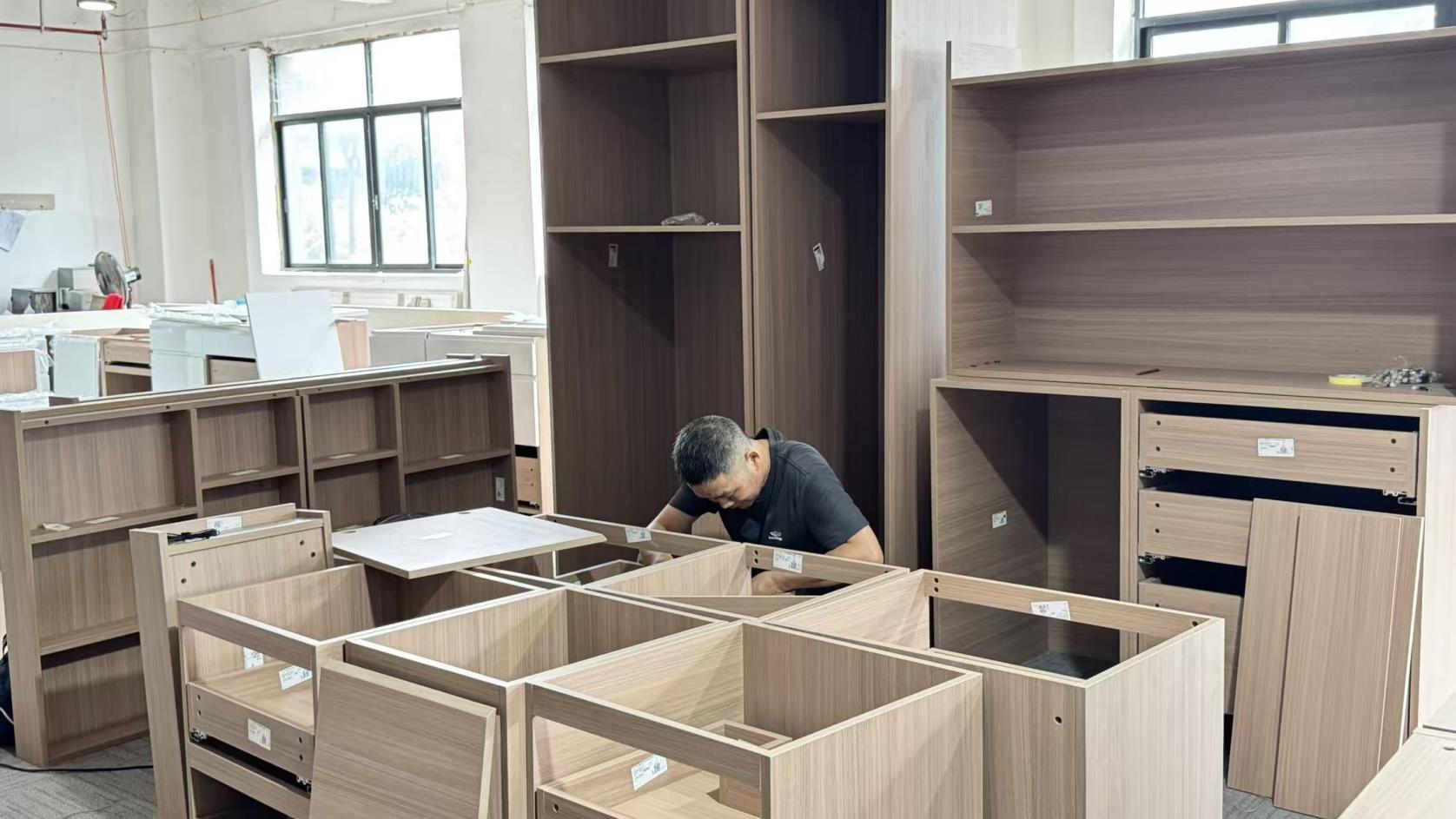
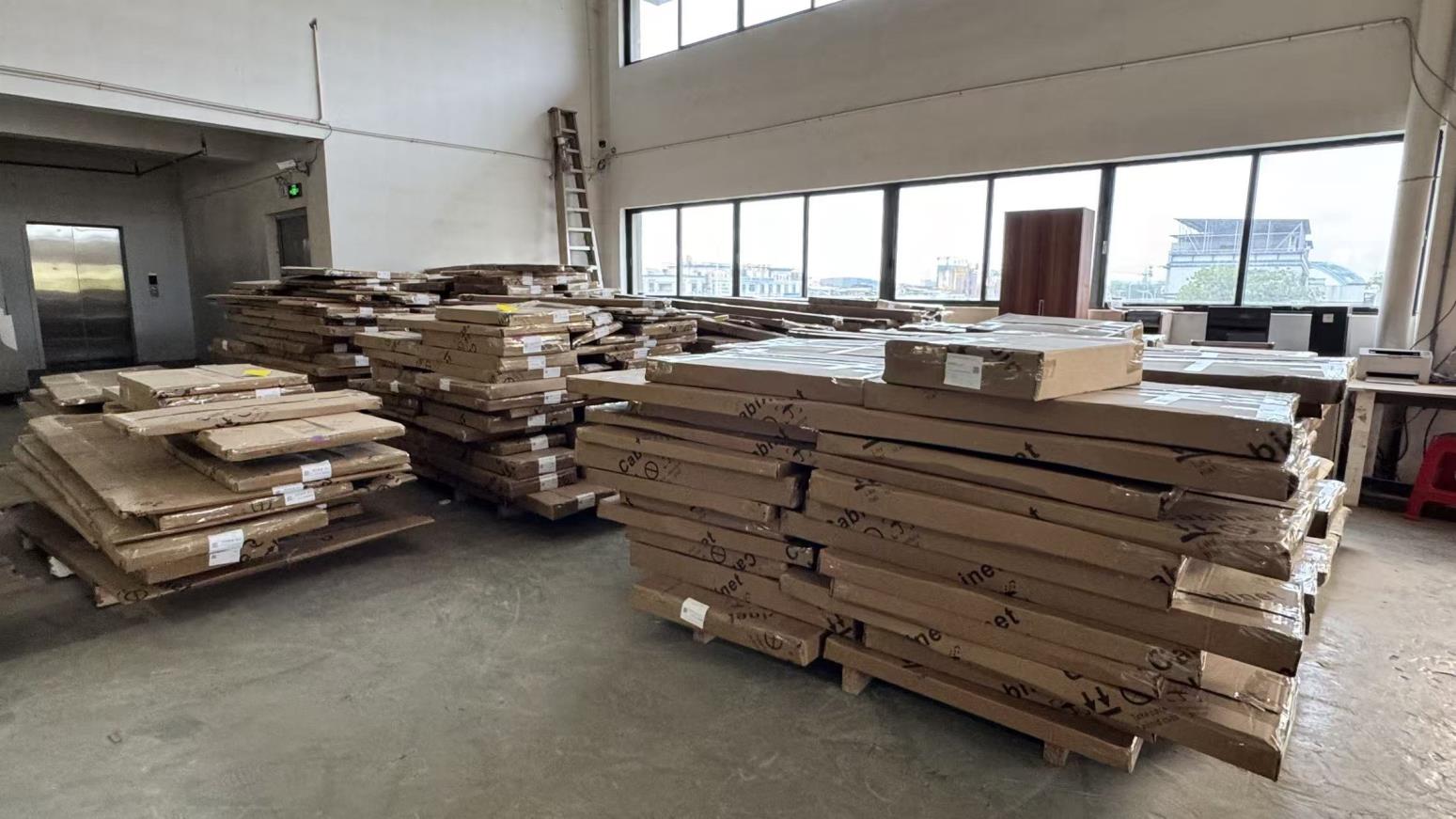
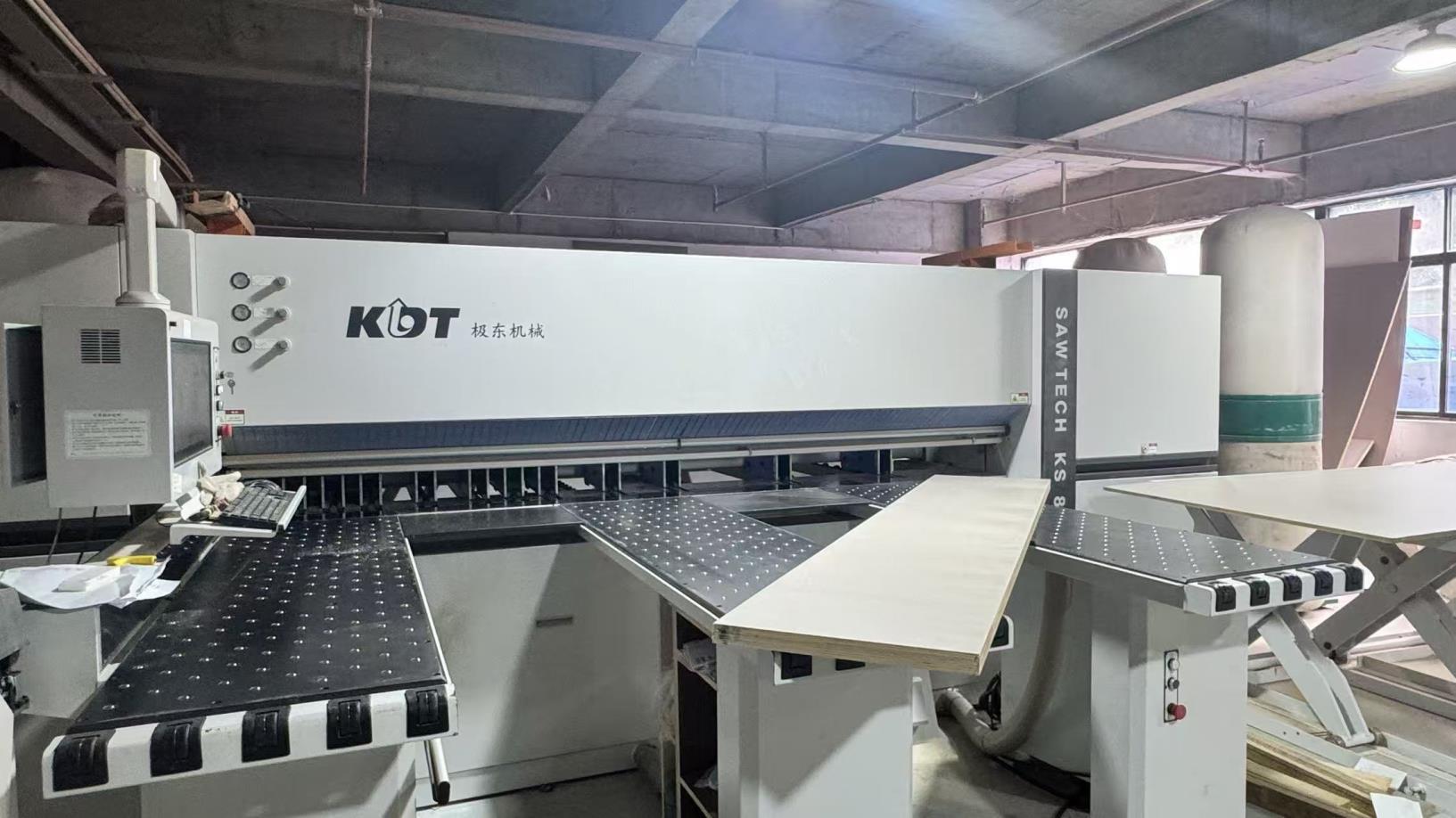
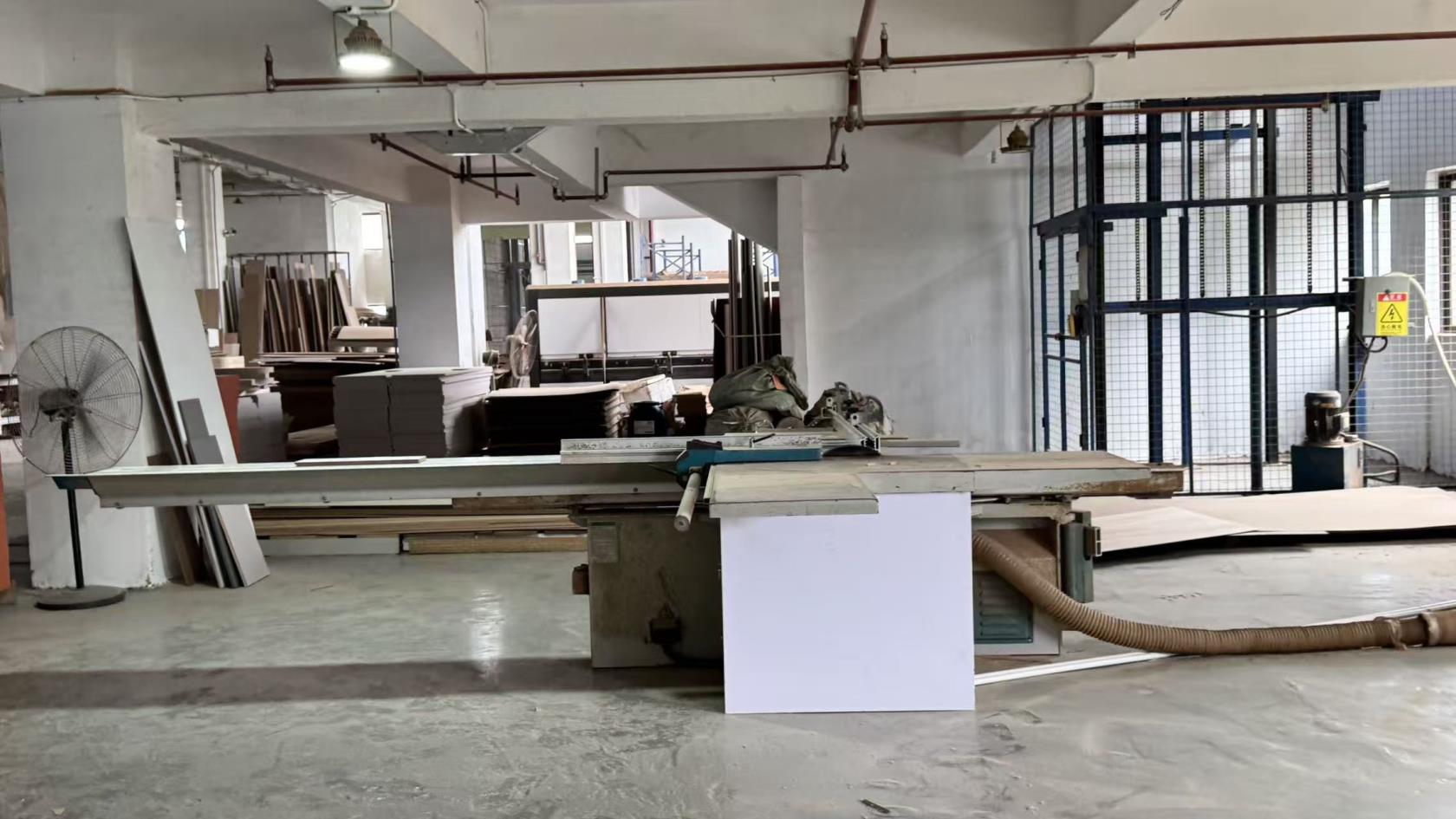
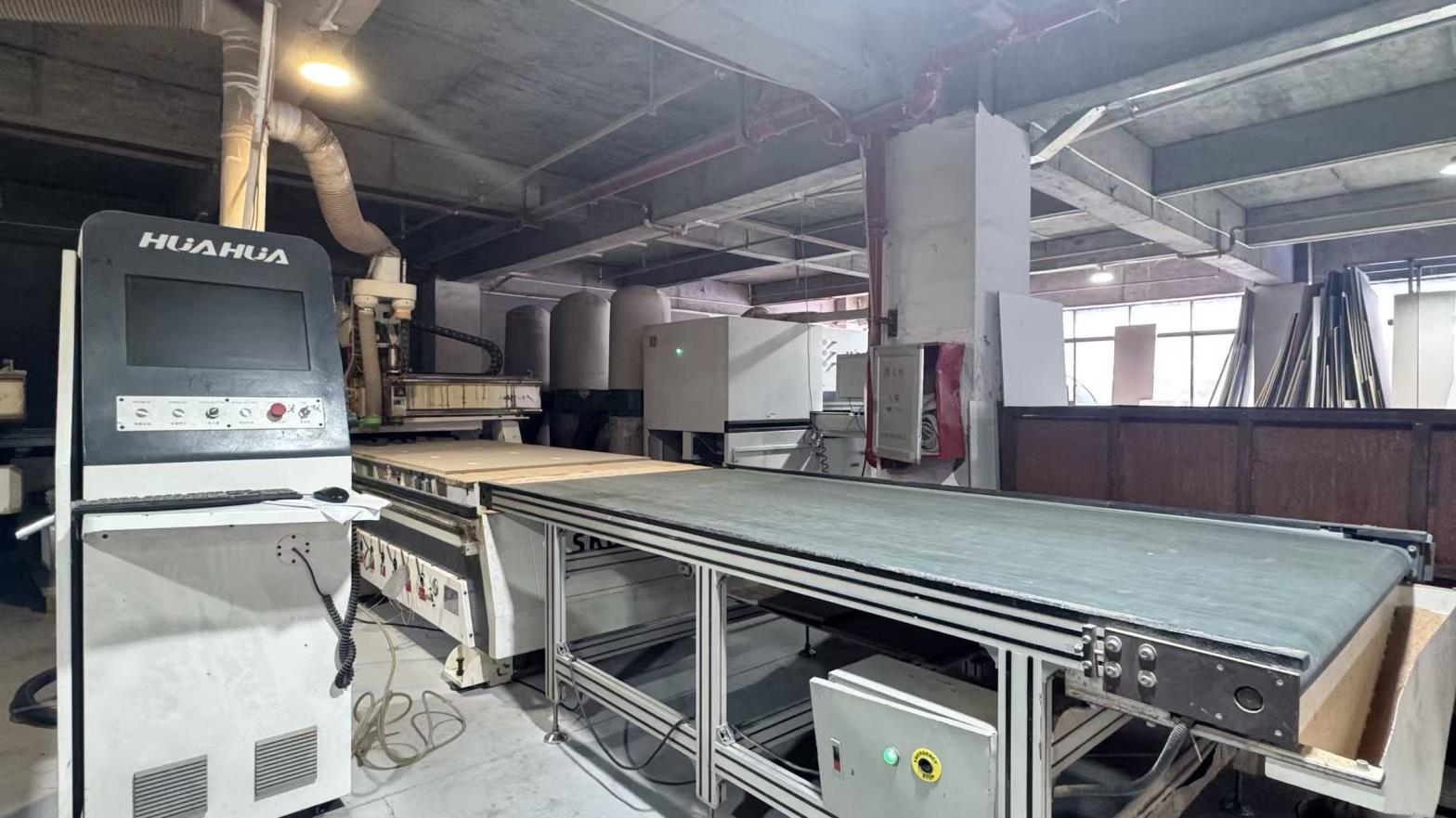
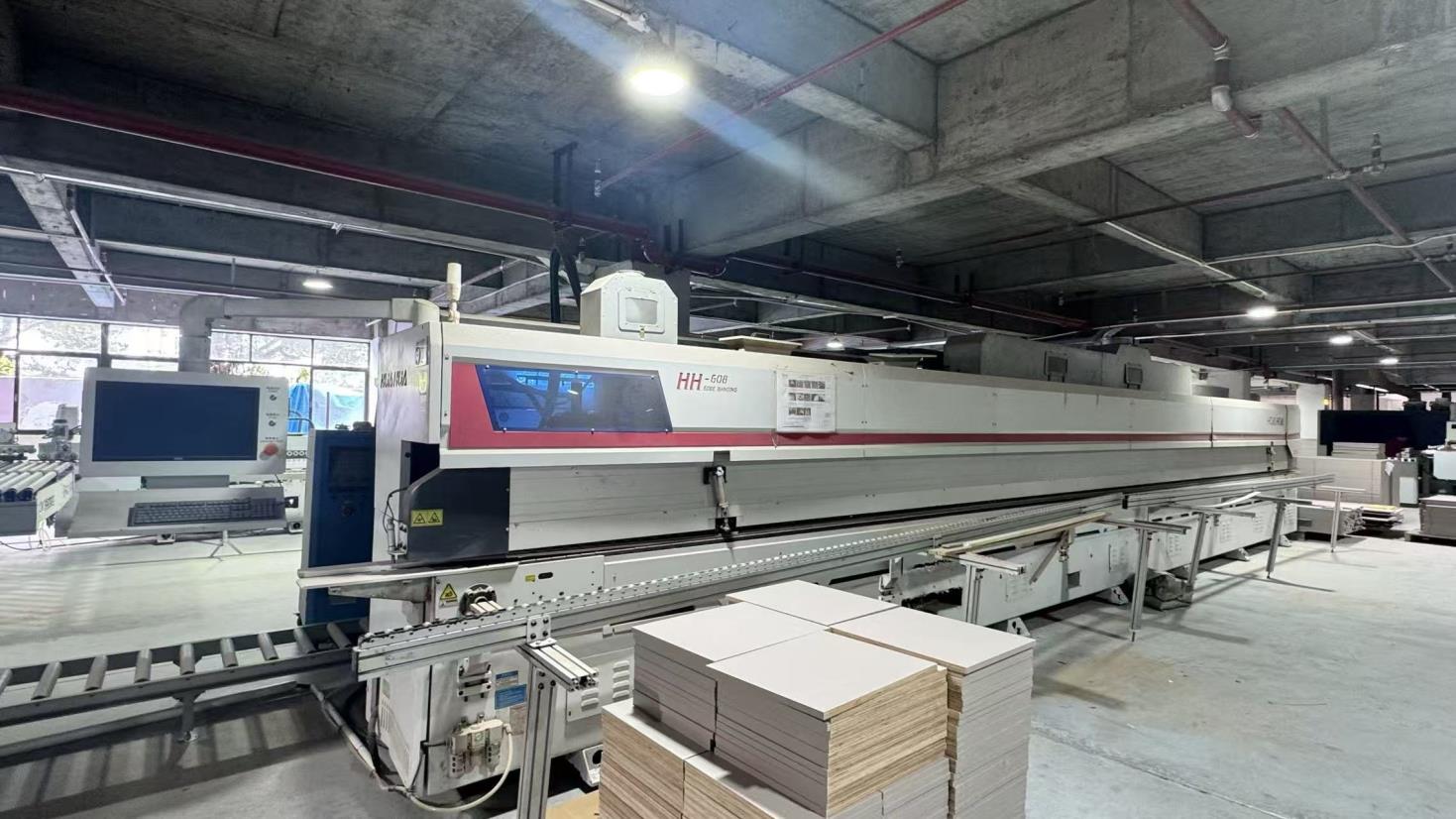
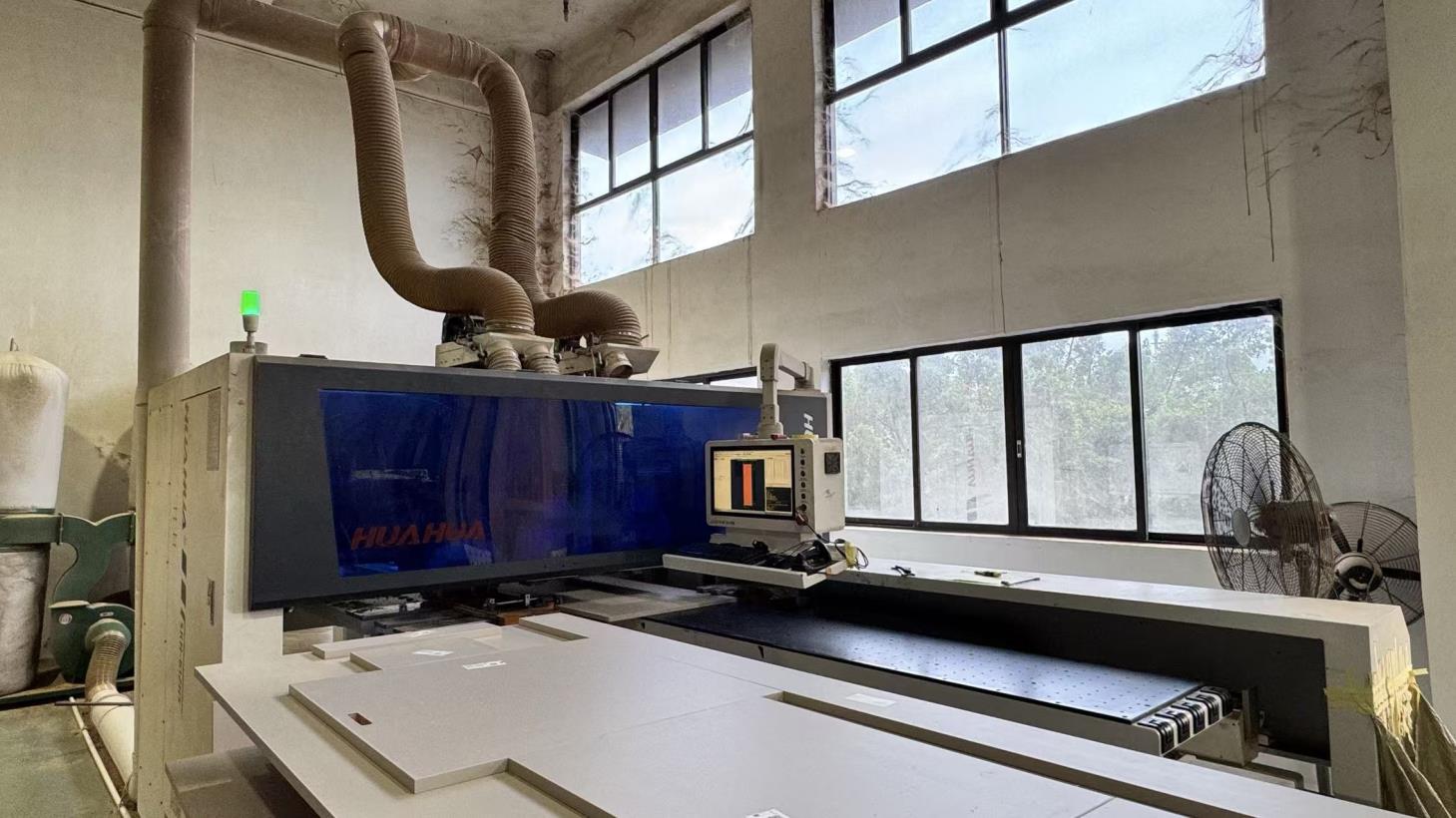
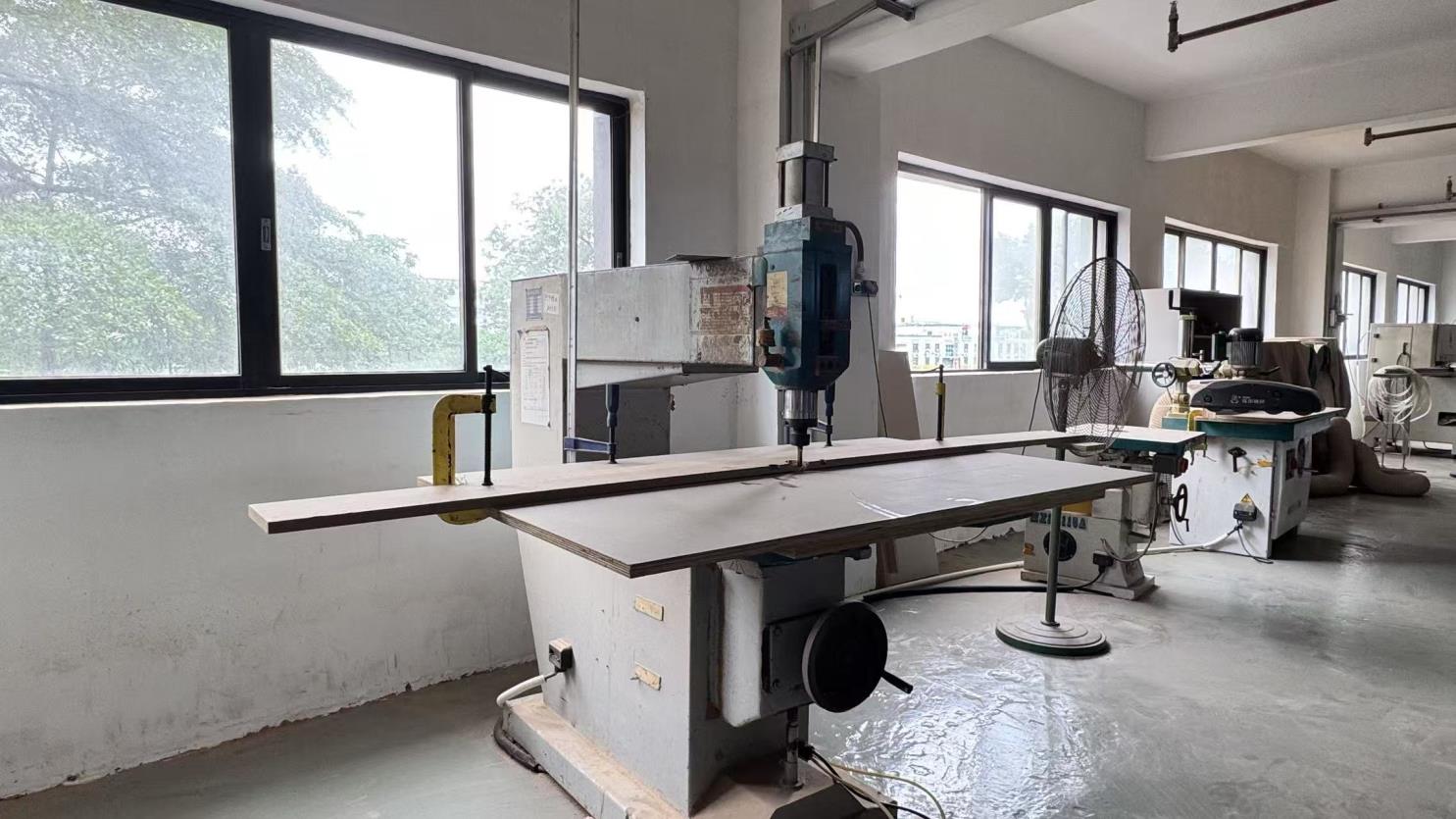
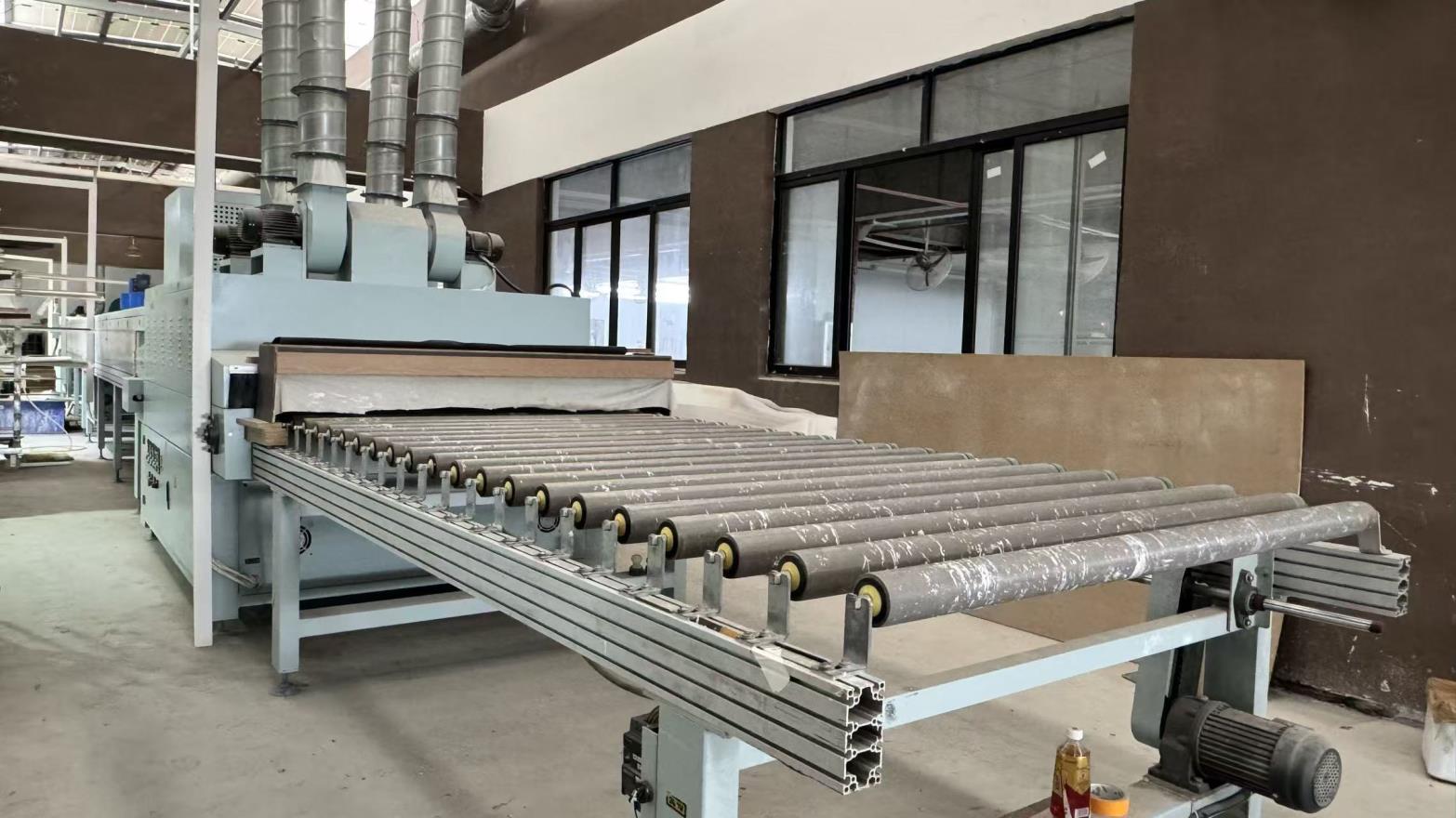
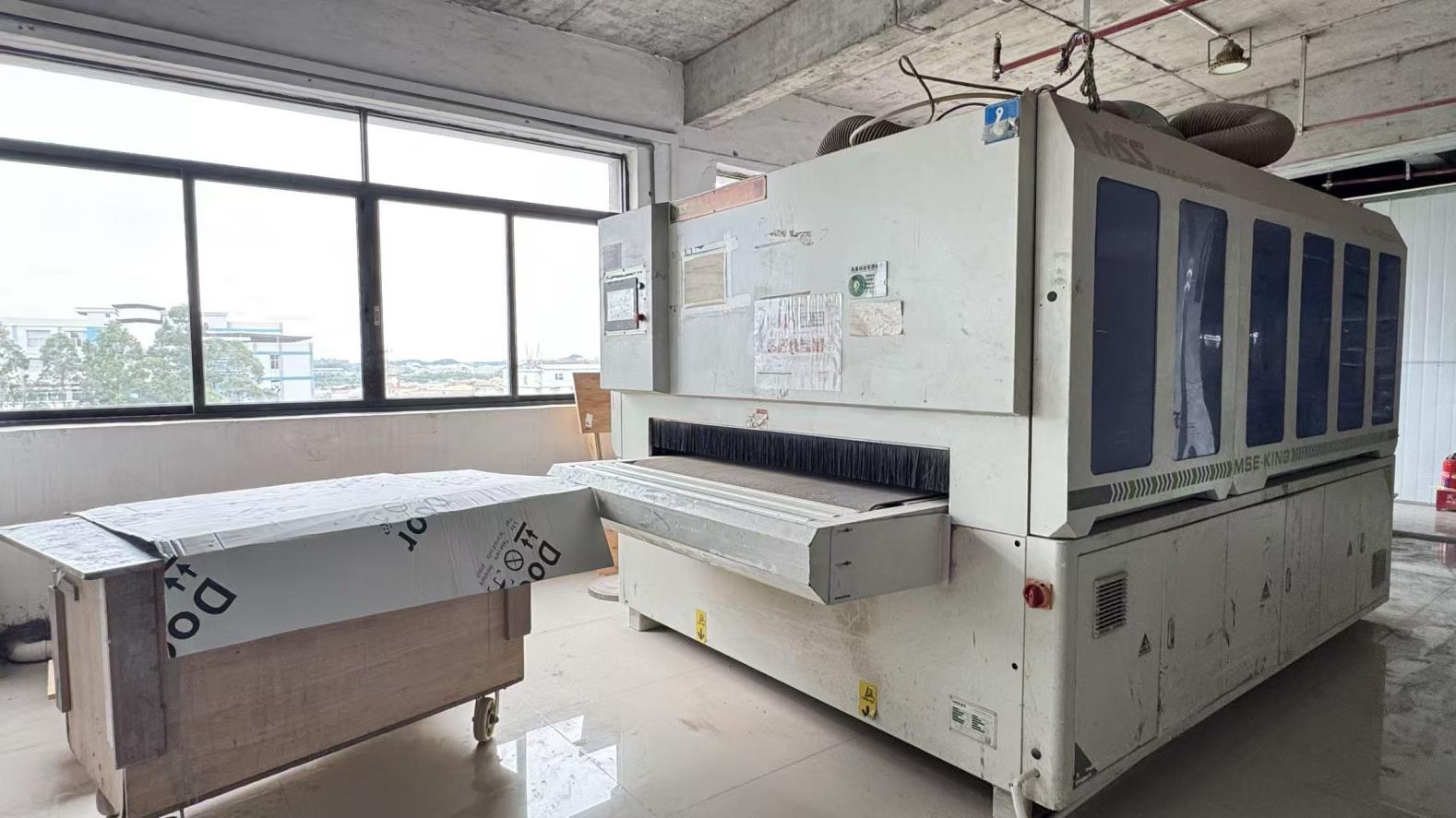
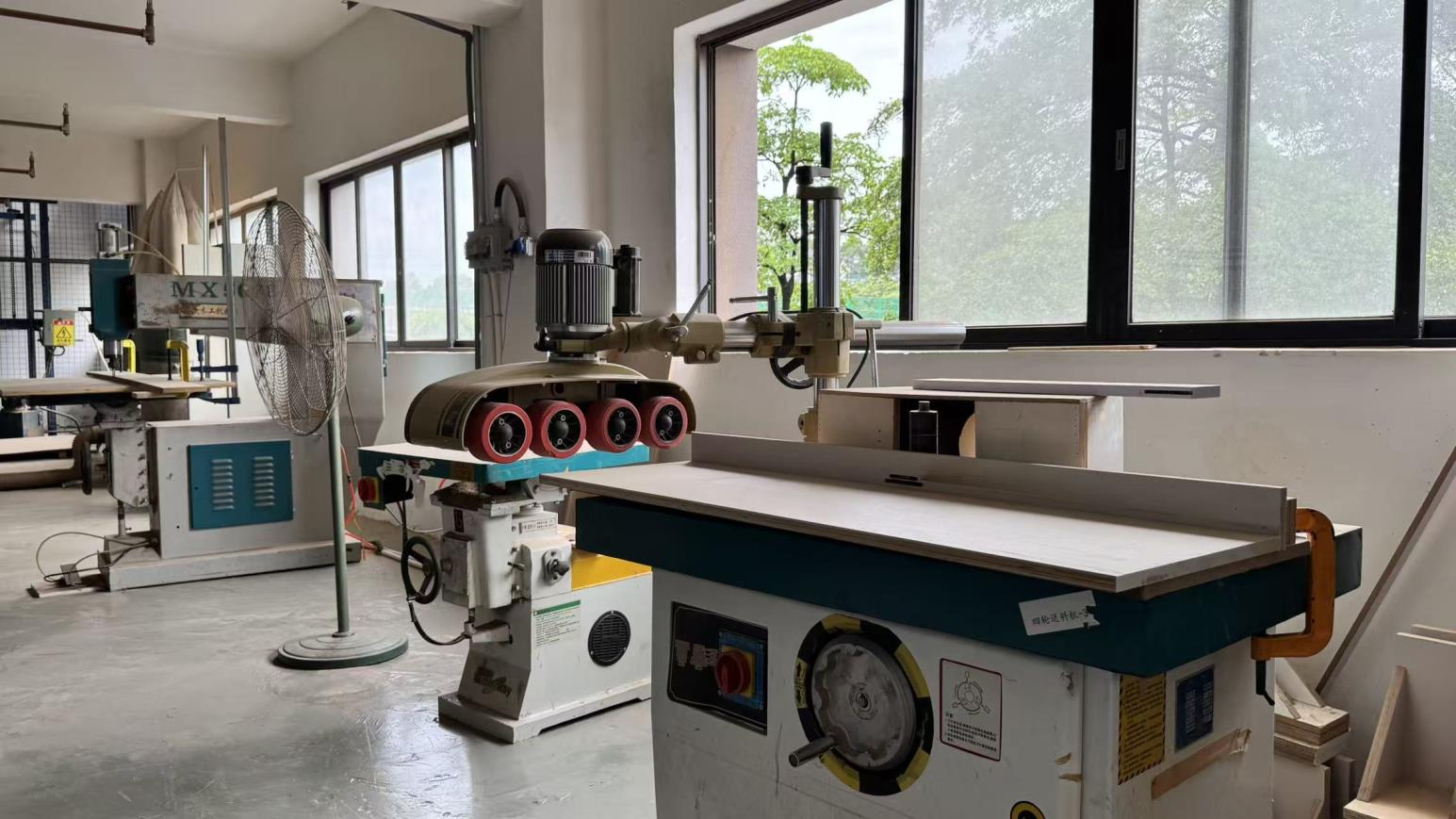
Founded in 2015, Tianjin Kross Window & Door Technology Co., Ltd. operates an advanced production facility spanning 35,000 square meters. Backed by 11 years of deep industry expertise and 8 years of global trade experience, the company generates an annual export revenue of $31 million. Our key export markets encompass North America, Western Europe, and Australia, serving commercial property developers, facade contractors, and door & window distributors.
Quality control is managed by a team of 42 QC technicians executing rigorous water tightness testing, structural load checks, and air infiltration measurements. Supported by a robust network of 850 supply chain partners, Kross excels in custom solutions including thermal break profiles, triple-glazed acoustic glass, and custom anodized finishes. Driven by an R&D department of 58 engineers, we successfully introduced 65 new window and door designs over the past year.
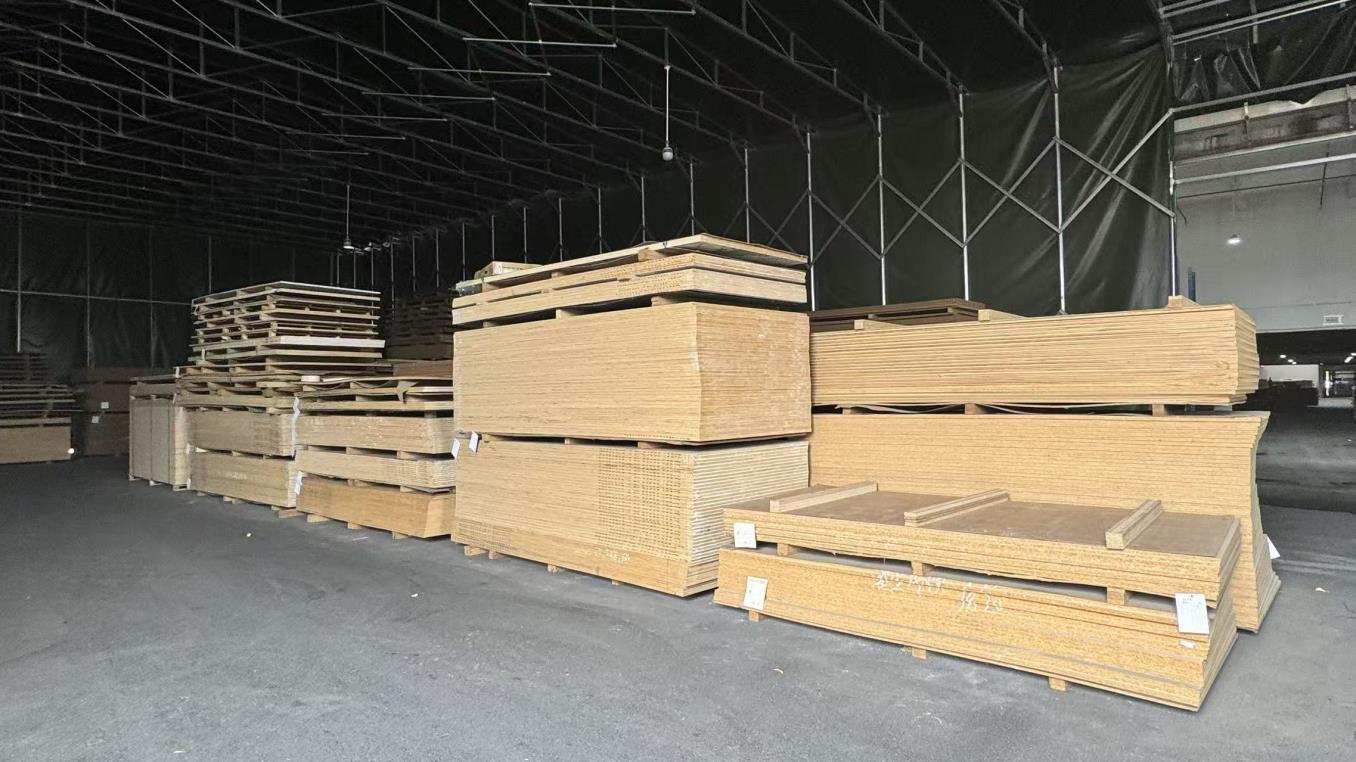
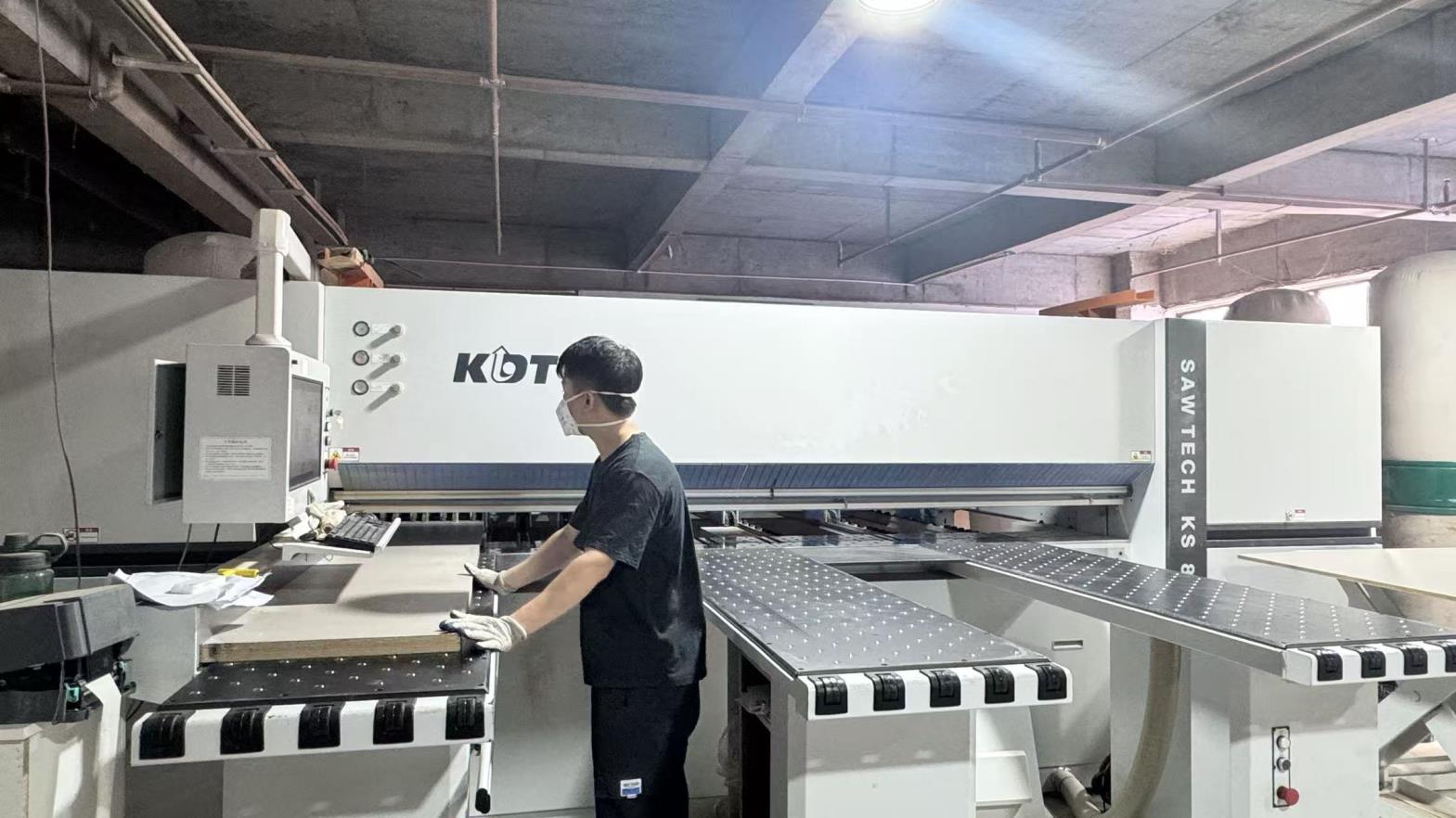
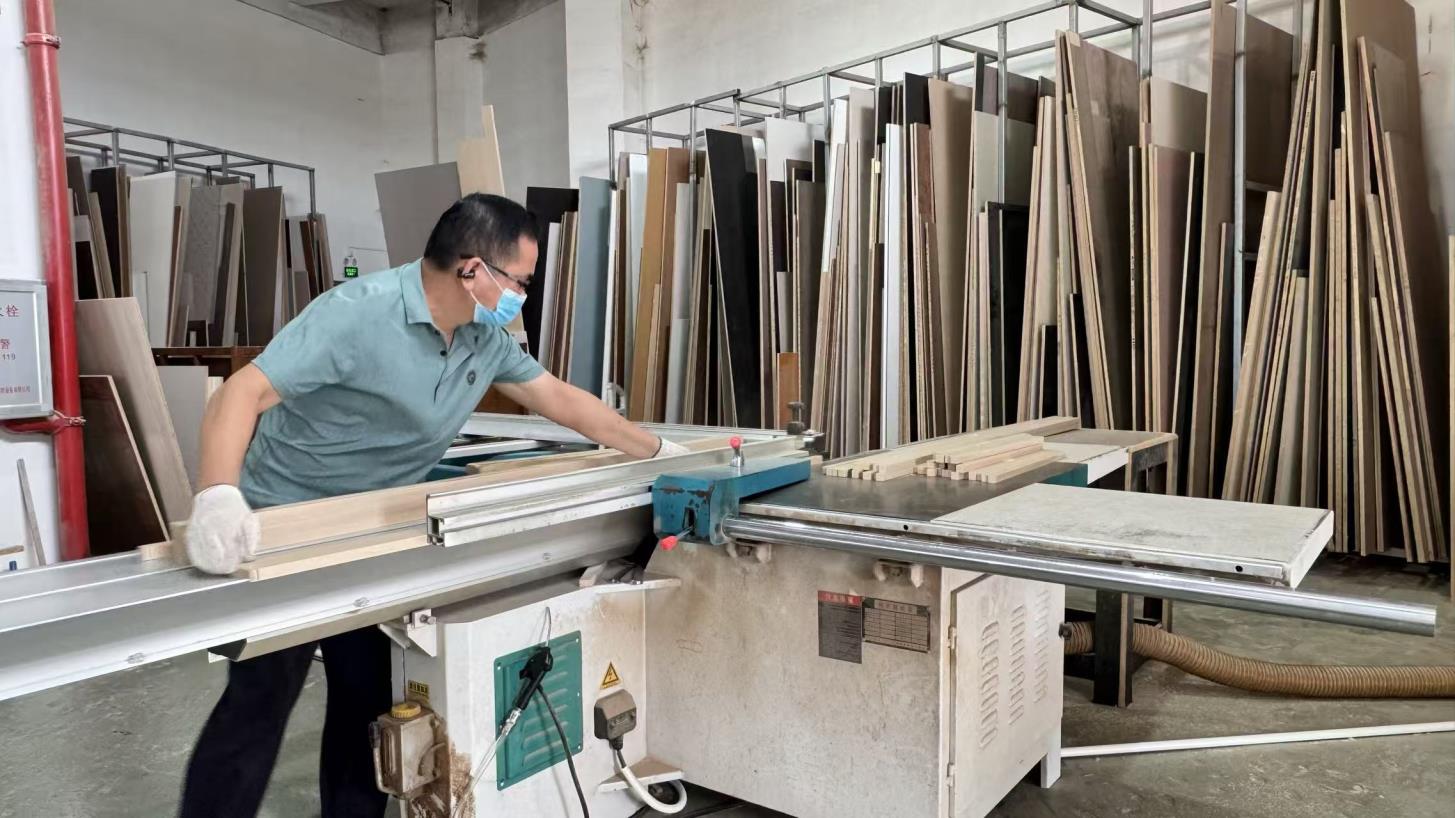

Comparing Kross Commercial Door Systems against Standard Global Exports and Legacy Fabrications.
| Performance Standard / Specification | Kross Commercial Thermal Doors | Standard Import Alternatives | Legacy Non-Thermal Systems |
|---|---|---|---|
| Thermal Transmittance (Ud Value) | 0.8 – 1.1 W/(m²·K) | 1.6 – 2.2 W/(m²·K) | 3.2 – 4.5 W/(m²·K) |
| Air Infiltration (EN 12207 / BBR) | Class 4 (Highest Tightness Rating) | Class 2 or Class 3 | Class 1 |
| Water Tightness (EN 12208) | Class E900 (900 Pa Static Pressure) | Class 5A (200 Pa) | Class 2A (50 Pa) |
| Wind Load Resistance (EN 12210) | Class C5 / B5 (Severe Dynamic Load) | Class C2 | Class A1 |
| Acoustic Isolation Index (Rw) | 40 dB – 45 dB (Triple Acoustic Laminated) | 30 dB – 34 dB | 22 dB – 26 dB |
| Security Resistance Rating (EN 1627) | RC2 / RC3 Multi-Point Anti-Burglary | Basic Single-Latch Lock | Standard Cylinder Lock |
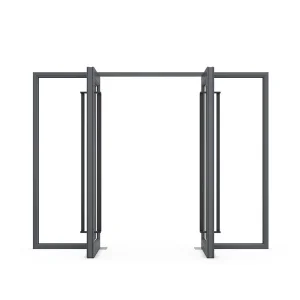
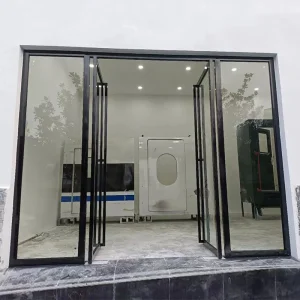
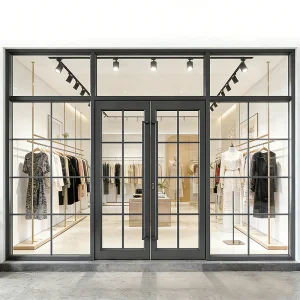
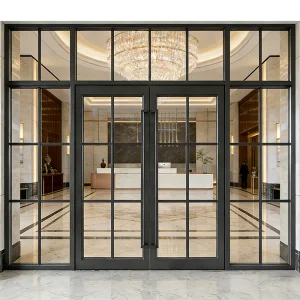
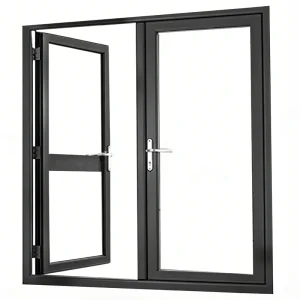
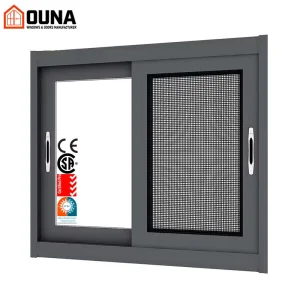
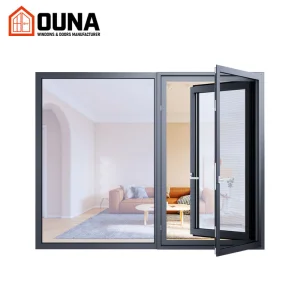
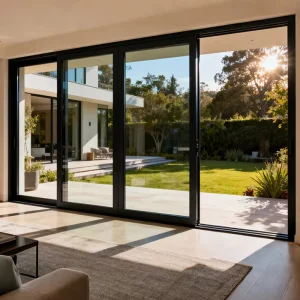
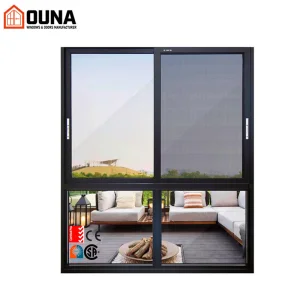
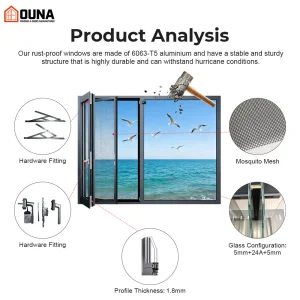
Explore our full line of thermal-break commercial storefronts, heavy-duty sliding systems, and hurricane impact windows.
Technical guidance for Swedish developers, architects, and main contractors.
Our commercial entrance door systems incorporate multi-chamber polyamide PA66 GF25 thermal breaks and argon-filled triple glazing with low-emissivity (Low-E) coatings. This structure enables our assemblies to achieve whole-door thermal transmittance coefficients (Ud values) as low as 0.8 to 1.0 W/(m²·K), fully compliant with Boverket’s energy consumption limits for non-residential buildings.
We configure commercial doors with premium European hardware systems, including dormakaba, Geze, and GU heavy-duty overhead concealed pivot closers, motorized multi-point lock rods, electromagnetic hold-open devices, and integrated access-control electric strikes rated for over 1,000,000 operation cycles.
Yes. Kross provides complete Environmental Product Declarations (EPDs), material safety data sheets, and full chemical composition disclosures for our raw aluminum extrusions, powder coatings, and EPDM weather seals to support seamless submission under Byggvarubedömningen and SundaHus certification frameworks.
For coastal installations in cities such as Gothenburg, Malmö, or Helsingborg, we recommend Qualanod Class 25 thick-anodized coatings (25 microns) or Qualicoat Class 3 super-durable fluoropolymer powder coatings to protect against harsh maritime salt spray and atmospheric oxidation.
Standard fabrication lead time at our 35,000 m² factory is 25 to 35 days depending on profile customizability and finish. Direct maritime shipping to major Swedish sea ports (Gothenburg, Stockholm, Helsingborg) takes approximately 30 to 38 days, supported by complete export documentation and sea-worthy crate packaging.
Get in touch with our engineering team today to receive detailed technical drawings, thermal calculations, structural load verification, and competitive factory-direct pricing for your commercial project.
Send Inquiry Now Kross Window