Choosing the right aluminium sliding door type can reshape how a home uses light, space, and fresh air. In 2026, Aluminium Sliding Doors are becoming more refined, with slimmer frames, larger glass panels, and improved thermal performance. However, appearance should not be the only consideration.
Homeowners can now compare thermally broken systems, lift-and-slide doors, multi-panel configurations, pocket doors, and corner-opening designs. Each option serves a different purpose. A thermally broken frame may improve indoor comfort during hot summers or cold winters. A lift-and-slide mechanism can move a wide panel smoothly, even when the glass is heavy. Pocket systems create a near-invisible opening, but their wall cavity requires careful planning.
Details matter.
During product evaluation, check the frame depth, glass specification, drainage design, locking hardware, and tested air and water resistance. A beautiful door can still disappoint if its rollers collect dirt or its seals age quickly. Installation quality is equally important. Small alignment errors may cause dragging, drafts, or uneven gaps.
This guide examines the leading 2026 aluminium sliding door types and explains where each system works best. It considers architectural style, energy efficiency, accessibility, security, maintenance, and long-term value. Some claims about “maximum performance” deserve closer inspection. Real results depend on climate, building orientation, glass selection, and installer experience. The best choice is rarely the most expensive one. It is the system that fits the building, the budget, and daily habits with fewer compromises.
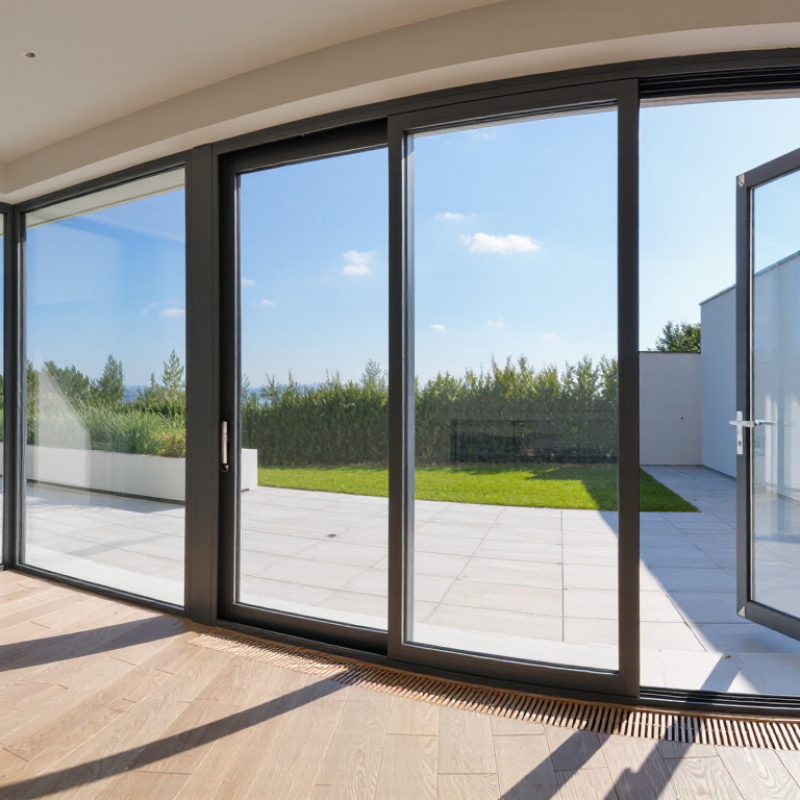
What Defines an Aluminium Sliding Door in 2026?
In 2026, an aluminium sliding door means more than a slim metal frame. It combines thermal separation, insulated low-emissivity glass, reliable rollers, and controlled drainage. Thermally broken profiles reduce heat transfer through the frame. Airtight gaskets also limit drafts around the moving panel. The International Energy Agency reports that buildings consume about 30% of global final energy. Therefore, door performance now matters beyond appearance.
Material responsibility is another defining feature. The International Aluminium Institute states that recycled aluminium requires only about 5% of the energy used for primary aluminium. However, recycled content alone does not guarantee quality. Profiles still need accurate tolerances, corrosion protection, and tested load capacity. A 2026 door should also support safe access, smooth opening, and practical maintenance. Smart sensors may help with security, but they cannot replace sound hardware. That part is sometimes overlooked.
Tips: Check the U-value, solar heat gain coefficient, air leakage rating, and glass specification. Ask for independent test evidence, not only catalogue claims. Inspect the bottom track. Dust and small stones can quickly affect movement. In my experience, a visually perfect door can perform poorly when installation is rushed. Even the best frame needs level flooring, correct drainage, and regular roller adjustment. The weakest detail often decides comfort.
Aluminium sliding doors now come in several practical configurations. Standard inline doors use two or three panels moving on parallel tracks. They suit balconies, kitchens, and compact patios. Lift-and-slide systems raise the panel slightly before movement. This reduces seal friction and supports larger glass areas.
Pocket doors slide into a concealed wall cavity, creating a wider opening. They need careful structural planning and reliable drainage.
Corner and bi-parting systems open from the centre or meet at a corner. Multi-track designs can cover broad openings, but their frames require accurate installation. Thermal-break aluminium doors include an insulated barrier between interior and exterior metal. This helps reduce heat transfer.
The U.S. Department of Energy reports that windows can represent 25% to 30% of household heating and cooling energy use, making frame insulation relevant to door selection. Glazing, seals, orientation, and installation still matter more than appearance alone.
Grand View Research identifies energy efficiency and larger glazed areas as major drivers in the global sliding door market. In practice, I have seen slim frames perform poorly when drainage channels were blocked. A beautiful system can still fail.
Choose two-panel doors for simpler maintenance, lift-and-slide systems for heavy panels, and pocket doors when clear access matters most. Yet this guide is not absolute. Wind exposure, floor level, wall structure, and local climate can change the right decision.
What Are the Top 2026 Aluminium Sliding Door Types?
In 2026, lift-and-slide, multi-track, and large-corner systems remain popular for wide openings. Their performance depends less on appearance than on thermal design. A thermal-break frame separates interior and exterior aluminium with a low-conductivity insulating strip. This interrupts heat flow through the metal. Non-thermal frames provide slimmer, often more economical construction, but aluminium conducts heat quickly. Interior surfaces may feel cold during winter.
The difference becomes measurable in energy modelling. The 2023 Global Status Report for Buildings and Construction reported that buildings used about 30% of global final energy and produced roughly 26% of energy-related emissions in 2022. A thermally improved door cannot solve those figures alone. Yet it can reduce frame heat transfer, improve comfort near the opening, and lower condensation risk when correctly specified. Glazing, spacers, seals, drainage, and installation matter just as much.
Look beyond the catalogue.
A lower frame U-value usually indicates better insulation, but values cannot be compared without checking the test method and door size. A thermal break also needs continuous seals and accurate corner fabrication. Otherwise, the insulated section may perform poorly in practice. Non-thermal systems still suit mild climates, garages, and internal partitions. I would not call them inefficient everywhere. That would be too simple. For exposed façades, however, thermal-break sliding doors generally offer the more dependable balance between daylight, ventilation, and year-round comfort.
In 2026, aluminium sliding doors increasingly combine large glass panels with thermally improved frames. Lift-and-slide systems suit wide openings and heavier insulated glazing. Multi-panel doors create broader views, but their extra joints demand careful alignment. Slim-frame designs offer more daylight, although they may reduce space for insulation. Performance depends on the complete assembly, not appearance alone.
Glass choice changes comfort quickly. Double glazing remains practical for many homes, while triple glazing improves heat retention in colder regions. Low-emissivity coatings can reduce winter heat loss and summer glare. Laminated glass also adds useful safety and sound-control benefits. However, very large panes become heavy and expensive. Bigger is not always better. Solar exposure, room orientation, and local climate should guide the specification.
Tracks deserve equal attention. A low-profile sill improves access but may require better drainage planning. Recessed tracks look clean, yet leaves and grit can obstruct rollers. Raised tracks usually handle water more confidently. Frame depth, thermal breaks, gasket quality, and roller capacity also affect daily movement. On site, small installation errors can cause noticeable resistance. Even a premium door may slide poorly when the opening is out of square. This is where specifications sometimes look stronger than real performance.
Choosing the right aluminium sliding door starts with the opening, not the catalogue. A two-panel door suits compact balconies and narrow living rooms. Three- or four-panel systems create wider views, but require stronger tracks and more installation space. Pocket doors disappear into the wall, although repairs can become difficult. Lift-and-slide doors handle heavier glass with smoother movement. They often cost more and need precise installation.
Thermal performance deserves close attention. The U.S. Department of Energy states that windows can cause 25–30% of residential heating and cooling energy use. Choose thermally broken aluminium frames, low-emissivity glazing, and insulated spacers for exposed rooms. Check the whole-door U-value, not only the glass. Airtightness and water resistance matter during driving rain. A beautiful door that leaks is a poor investment.
Consider daily use, too. A ground-floor family room may need a low-threshold track and impact-resistant glass. A high-rise apartment may need stronger wind-load performance and acoustic glazing. According to the International Energy Agency, buildings consume about 30% of global final energy. Better doors can support efficiency, but results depend on orientation, shading, and installation quality. Some specifications look impressive on paper. They can disappoint on site. Review local climate data, opening dimensions, drainage details, maintenance access, and certified performance reports before choosing.
Common options include inline, lift-and-slide, pocket, corner, bi-parting, and multi-track doors. Thermal-break frames improve insulation. Each type suits different openings.
A two-panel inline door usually fits smaller balconies and narrow rooms. It uses parallel tracks and remains relatively simple to maintain. Keep the track clear.
Choose it for large or heavy glass panels. The panel rises slightly before moving, reducing seal friction. It costs more and needs precise installation.
Pocket doors slide into a concealed wall cavity and create a wide opening. They suit rooms needing clear access. Repairs may be difficult later.
They can cover broad openings and create generous views. Strong tracks and accurate installation are essential. Small alignment errors may affect movement.
Select thermal-break frames, low-emissivity glass, and insulated spacers. Check the complete door U-value, not only the glass. Orientation and shading also matter.
Review wind-load performance, acoustic glazing, water resistance, and airtightness. Strong weather exposure changes the best specification. Appearance alone proves little.
Check wall structure, floor level, drainage channels, opening dimensions, and maintenance access. Blocked drainage can cause leaks. Good drainage matters.
No. Slim frames may look elegant but can perform poorly when drainage or installation fails. A less striking door may work better. Looks can mislead.
In 2026, Aluminium Sliding Doors are defined by their balance of slimline design, smooth operation, energy efficiency, security, and flexible customization. Available types include single-panel, multi-panel, pocket, lift-and-slide, and corner-opening systems, each suited to different room layouts and access requirements. Their performance depends on how the frame, rollers, locking components, and drainage are engineered for daily use.
A key choice is between thermal-break and non-thermal systems. Thermal-break frames reduce heat transfer and are generally better for temperature control, while non-thermal options may suit mild climates or interior applications. Glass selection also matters, with double glazing, low-emissivity coatings, laminated safety glass, and varying thicknesses influencing insulation, comfort, sound reduction, and security. Track design, threshold height, panel weight, finish, and frame depth should be considered alongside installation conditions. The right door type should match the building’s climate, opening size, ventilation needs, maintenance expectations, and budget.

Kross Window