Choosing the best Aluminum Door is not simply a matter of color, price, or showroom appeal. It is a decision about protection, comfort, security, and long-term performance.
Dr. Joseph Lstiburek, a respected building-envelope expert, often reminds professionals, “Water is the enemy.” His warning matters when evaluating an Aluminum Door. A narrow frame may look elegant, yet poor drainage can invite moisture around the threshold. A dark finish may suit a modern façade, but strong sunlight can increase surface heat and expansion. Small details matter.
Start with the building’s actual conditions. Is the entrance exposed to driving rain, coastal air, heavy traffic, or frequent deliveries? Check the aluminum alloy, frame thickness, thermal break, weather seals, glass specification, hinges, and locking system. Ask how the door was tested for air leakage, water penetration, and repeated operation. Product brochures can sound impressive. Site evidence is better.
The best option also depends on installation quality. Even a well-designed door may fail when the opening is uneven or the sill lacks proper support. I have seen attractive entrances become difficult to close after seasonal movement. That possibility deserves attention.
There is no universally perfect Aluminum Door. The right choice balances climate, usage, maintenance, appearance, accessibility, and budget. This guide examines those factors carefully, while acknowledging one uncomfortable truth: the cheapest selection can become the most expensive mistake.
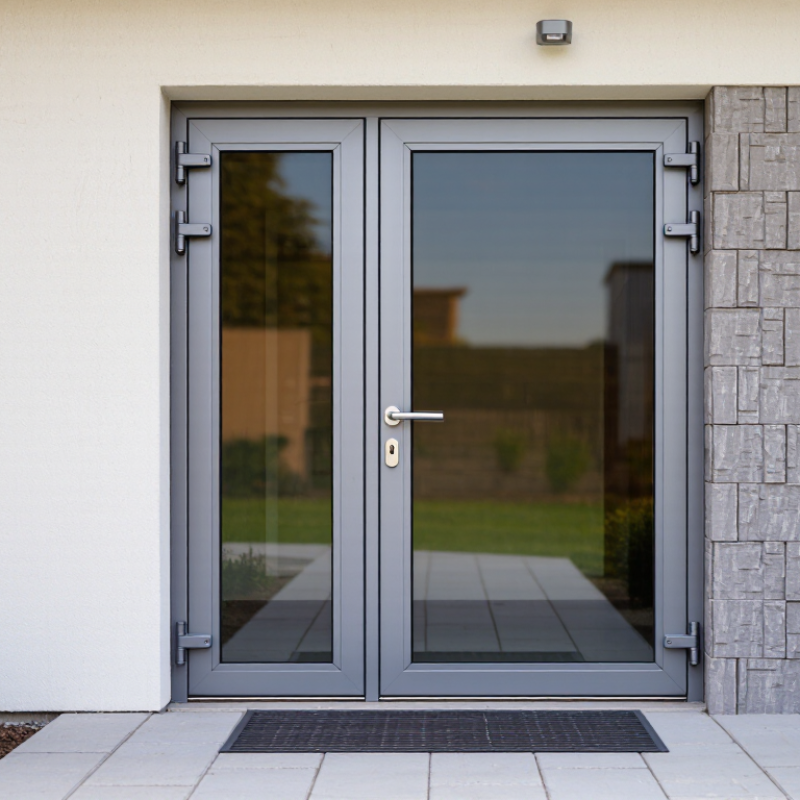
Before choosing an aluminum door, define where it will be installed and what it needs to do. A patio opening exposed to wind and rain needs different performance from a quiet interior partition. Measure the opening at several points; older walls are rarely perfectly square. Note the clear width needed for furniture, mobility, and everyday traffic. Small details matter. Include sun exposure, privacy, noise, and cleaning time in your requirements. In coastal areas, ask about finish durability and maintenance instead of assuming every coating performs alike.
Set priorities for insulation, security, daylight, and ease of operation. Large glass panels can brighten a room, but may increase heat gain and reduce privacy. A thermal break can improve frame insulation, though the glazing and installation also affect performance. Choose sliding or hinged operation based on available floor space and how often the door will be used. Think about the threshold. A low threshold can ease passage, yet water management still matters in exposed locations. Ask an installer to explain frame dimensions, glazing options, drainage, and expected upkeep. It is tempting to choose a color early, but dimensions and daily use deserve more attention.
Start by defining the required door type and opening size. The chart shows representative nominal dimensions commonly used for planning aluminum door openings. Actual sizes should be confirmed with local building codes, site measurements, accessibility requirements, and the selected door system.
How to Choose the Best Aluminum Door?
Choosing an aluminum door starts with comparing door types and opening configurations. Hinged doors suit compact entrances and provide a firm compression seal. Sliding doors save swing space and frame wide views, but their tracks need regular cleaning. Folding systems create broad openings for patios, although several panels can reduce thermal performance. Pivot doors make a strong architectural statement. They also require careful floor alignment.
Configuration affects daily comfort more than many buyers expect. In-swing doors stay protected from exterior weather, while out-swing doors can improve interior space. A left- or right-hand opening should match furniture, walkways, and emergency access. For large glazed openings, compare panel weight, locking points, and operating force. Test the handle in person. It should feel controlled, not loose.
Energy performance deserves measured attention. The U.S. Department of Energy reports that windows can cause 25–30% of residential heating and cooling energy use, making frame and glass selection important. The International Energy Agency’s 2023 Buildings report estimates that buildings consume about 30% of global final energy. Choose thermally broken aluminum frames, low-emissivity glass, and verified U-factor and solar heat gain ratings. NFRC certification helps compare products under consistent testing conditions. A perfect door rarely exists. I would prioritize airtightness, drainage, and installation quality before choosing an impressive opening style. Even a premium frame can perform poorly when the sill is uneven.
| Door Type | Opening Configuration | Space Required | Clear Opening | Weather and Thermal Considerations | Best Suited For | Key Considerations |
|---|---|---|---|---|---|---|
| Single Hinged Door | One leaf swings inward or outward on side hinges. | Requires swing clearance on the side the door opens toward. | Typically provides a practical passage through one doorway; the usable width depends on the frame and hardware. | Compression seals can provide a snug closure. Performance depends on the complete door assembly, installation, glazing, and thermal-break design. | Entrances, utility rooms, balconies, and locations with a clear swing area. | Check the handing, swing direction, threshold height, and clearance from furniture or walkways. |
| Double Hinged (French) Door | Two hinged leaves meet at the center; one or both leaves can open. | Needs swing clearance for the active leaf, and more clearance when both leaves open. | Can create a wider opening than a single hinged door when both leaves are open. | Weather sealing at the meeting point and the inactive leaf requires suitable seals and hardware. | Patios, garden access, and wider entrances where a traditional hinged appearance is preferred. | Confirm how the inactive leaf is secured and whether the threshold and floor finish suit the opening. |
| Sliding Patio Door | One or more panels slide horizontally along tracks; a panel usually remains in place. | Does not need interior or exterior swing clearance, but needs wall space for the moving panel. | Usually opens only part of the overall frame width because panels overlap or remain fixed. | Track drainage, weather seals, glazing, and installation affect performance. Sliding seals may differ from the compression seals used on hinged doors. | Rooms with limited swing space and areas where a broad glazed view is desired. | Keep tracks clear of debris and consider the floor track, screen arrangement, and panel operating weight. |
| Lift-and-Slide Door | Turning the handle lifts the panel slightly from its seals so it can roll along the track; closing lowers it back into position. | No swing clearance; requires space for the panel to slide behind an adjacent panel or fixed section. | Can accommodate large, heavy panels, but the open width depends on the layout and number of moving panels. | The lowered panel engages its seals when closed. Overall performance still depends on the glazing, frame, drainage, and installation. | Large patio openings and designs using broad glass panels. | Check track capacity, panel weight, operating hardware, and the space available for the moving panel. |
| Bi-Fold Door | Multiple hinged panels fold and stack to one or both sides of the opening. | Needs stacking space at the jamb or opening edge; some systems also use a track across the threshold. | Can open a large proportion of the frame width, subject to the panel stack and configuration. | Numerous panel joints and seals make accurate installation and adjustment important for weather resistance. | Wide garden or patio openings where a mostly open connection is desired. | Plan for the folded-panel stack, traffic threshold, drainage, and how the traffic door will operate. |
| Pivot Door | The door leaf rotates around pivot points set in from its vertical edges rather than side hinges. | Requires a clear swing arc on one or both sides, depending on the design. | Can use a large leaf, but the clear passage is affected by the pivot position and door size. | Sealing details vary by system; the pivot arrangement and threshold need careful detailing for weather exposure. | Feature entrances and designs calling for a large, distinctive door leaf. | Account for the swing arc, door weight, floor clearance, and suitable pivot hardware. |
| Tilt-and-Turn Door | A multipoint handle selects inward side-hinged opening or inward top-tilt ventilation. | Needs interior clearance for full inward opening; tilt mode generally projects less into the room. | Full opening is limited by the single sash size and frame; tilt mode is intended for ventilation, not passage. | When closed, multipoint locking and perimeter seals can provide a tight closure; system performance varies. | Windows or balcony doors where controlled ventilation and an inward opening are useful. | Confirm that the selected hardware and sash size are suitable for the intended door use and access needs. |
Selection note: Aluminum itself is conductive, so thermal performance depends on the complete assembly. For insulated spaces, compare thermally broken frames, glazing specifications, seals, threshold details, and tested performance for the intended climate. Actual clear opening, weather resistance, and accessibility vary by product design and installation.
Choosing an aluminum door starts with the frame, not the finish. Inspect the profile corners, joints, and drainage paths closely. A rigid frame should feel stable, with clean welds or precise mechanical connections. Ask for evidence of independent air, water, and wind testing. Thin profiles can look elegant, but strength matters more at wide openings. I once underestimated a small drainage detail. That mistake caused staining after heavy rain. Experience matters.
Glass controls comfort, noise, and much of the door’s energy performance. Double glazing suits many homes, while triple glazing may help in colder climates. Low-emissivity coatings can reduce heat transfer without making the room dark. Check the glass specification, spacer type, and declared U-value together. Numbers need context. A low U-value is useful, but poor installation can cancel the benefit. Look for a continuous seal around the glass. Uneven gaskets often reveal rushed work.
Hardware deserves the same scrutiny as the frame. Handles, hinges, locks, and rollers should operate smoothly without excessive force. Choose corrosion-resistant components for humid or coastal environments. Thermal performance also depends on the threshold and installation gap. Ask how the door connects to the wall insulation. A strong product can still perform badly when fitted carelessly. Request drawings, test reports, and maintenance instructions. Then compare the details, not only the price. I would leave room for doubt. Site conditions vary, and careful measurement still earns its value.
Choosing the best aluminum door starts with security, weather resistance, and energy performance. The frame should include a thermal break, reinforced corners, and a tested multi-point locking system. Laminated glass can slow forced entry because its inner layer holds broken pieces together. However, attractive hardware alone proves little. Ask for independent test results, not only sales claims.
Weather performance needs measurable evidence. Look for air-leakage, water-penetration, and structural-pressure ratings under AAMA/WDMA/CSA 101/I.S.2/A440 procedures. A properly installed door should close evenly, resist wind-driven rain, and keep its threshold dry. Check the sill after heavy rain. Small installation gaps can defeat an excellent frame.
Energy efficiency deserves careful reading. The U.S. Department of Energy reports that windows account for about 25–30% of residential heating and cooling energy use. Doors contribute less, but poorly sealed entrances still create noticeable drafts. Compare the door’s U-factor, air-leakage rating, and solar heat gain coefficient when available. Lower U-factor generally means better insulation. Yet numbers can mislead if the product is tested without its real glass, threshold, or installation conditions. I once focused too heavily on the frame and overlooked the sealant joint. That was a costly mistake. Choose durable weatherstripping, insulated glazing, and installers who follow the manufacturer’s tested details.
Choosing an aluminum door starts with the opening, not the catalog image. Measure width, height, wall depth, sill slope, and swing clearance. A few millimeters matter. Poor installation can cause drafts, water entry, and difficult locking. Ask for a written installation scope covering shims, flashing, drainage, and sealant. Thermal breaks are valuable in hot or cold climates. The National Fenestration Rating Council evaluates U-factor and solar heat gain, so compare certified figures rather than vague efficiency claims.
Maintenance is usually simple, but it is not optional. Clean frames with mild soap twice yearly, especially near saltwater or dusty roads. Keep drainage channels clear. Check hinges, rollers, weather seals, and locks before winter. The U.S. Department of Energy’s 2020 Residential Energy Consumption Survey reports that space heating and air conditioning use about half of household energy. A loose seal can quietly increase that burden. I have seen attractive doors underperform because installers ignored the threshold. Appearance is not performance.
Calculate total cost, including removal, structural repairs, delivery, labor, flashing, hardware, and future adjustments. A low purchase price can become expensive after one failed seal or warped threshold. Request labor and warranty terms in writing. Also compare the door’s U-factor, durability rating, and expected maintenance schedule. The best choice is rarely the cheapest quotation. Sometimes, it is the one with fewer surprises. Industry guidance helps, but local exposure, building movement, and installer skill still deserve careful judgment.
Hinged doors work well in compact spaces and provide a firm compression seal. Check swing clearance before choosing the opening direction.
Choose one when swing space is limited or you want a wide view. Keep its track clean; dust and grit can affect operation.
Folding doors create broad patio openings, but multiple panels may reduce thermal performance. Pivot doors make a bold feature and need careful floor alignment.
Check its U-factor, solar heat gain rating, glazing, and frame design. Thermally broken frames and low-emissivity glass may improve comfort. Installation still matters.
Inspect frame joints, drainage paths, and the seals around the glass. Ask for independent air, water, and wind test reports. Look beyond appearance.
Handles, hinges, locks, and rollers should move smoothly without excessive force. Corrosion-resistant parts are useful in humid or coastal areas.
Ask for a written scope covering measurements, shims, flashing, drainage, sealant, and the connection to wall insulation. Uneven sills can cause problems.
Wash the frame with mild soap twice a year and clear drainage channels. Check seals, hinges, rollers, and locks before winter. Easy, but not optional.
Add delivery, removal, labor, structural repairs, flashing, hardware, and future adjustments. A low quote can hide costs.
Compare certified ratings, durability, warranty terms, and maintenance needs. Local exposure and installer skill matter too. Measurements can still go wrong.
Choosing the right Aluminum Door begins with clearly defining your needs, including the door’s purpose, location, size, style, and preferred opening configuration. Compare options such as sliding, hinged, folding, and pivot doors based on available space, traffic flow, ventilation, and visual preferences. Pay close attention to frame construction, glass type, hardware quality, thermal breaks, and overall craftsmanship, as these factors affect durability, comfort, and long-term performance.
A reliable Aluminum Door should also provide strong security, weather resistance, and energy efficiency. Examine locking systems, seals, drainage design, wind and water protection, and the door’s ability to reduce heat transfer and outside noise. Before making a final decision, consider professional installation requirements, adjustment and cleaning needs, expected maintenance, warranty coverage, and the total cost over the door’s service life. Balancing appearance, performance, installation conditions, and budget will help you select a door that remains practical and attractive for years.

Kross Window