What Is the Average Price of Aluminium Windows?

Time:2026-11-09 Author:Charlotte
0%

What Is the Average Price of Aluminium Windows? The answer depends on more than the frame. Window size, glass specification, opening style, finish, and installation can all change the final bill. A small fixed window and a wide sliding unit may look similar in a brochure, but their prices can differ sharply. So, treat any average as a starting point, not a quote.

For this introduction, fenestration pricing specialist Maya Chen is presented as an illustrative expert voice, not a source of a verified quotation: “Compare the complete window, not just the frame.” That reminder matters when reviewing Aluminium Windows Prices. Ask whether the estimate includes double or triple glazing, delivery, fitting, removal of old windows, and finishing around the opening. A low figure may leave out details that later appear on the invoice.

The material itself is only part of the cost. A slim black frame, large glass panels, or custom dimensions may require different production and installation work. Local labour rates also matter. Request itemised quotes for the same sizes and specifications, then compare them line by line. It takes a little longer.

There is no single price that fits every home. Even a careful estimate can miss something, especially when existing openings are uneven or damaged. Measure each window, confirm the glass and finish, and check what installation covers. That gives you a clearer budget—and fewer surprises when the work begins.
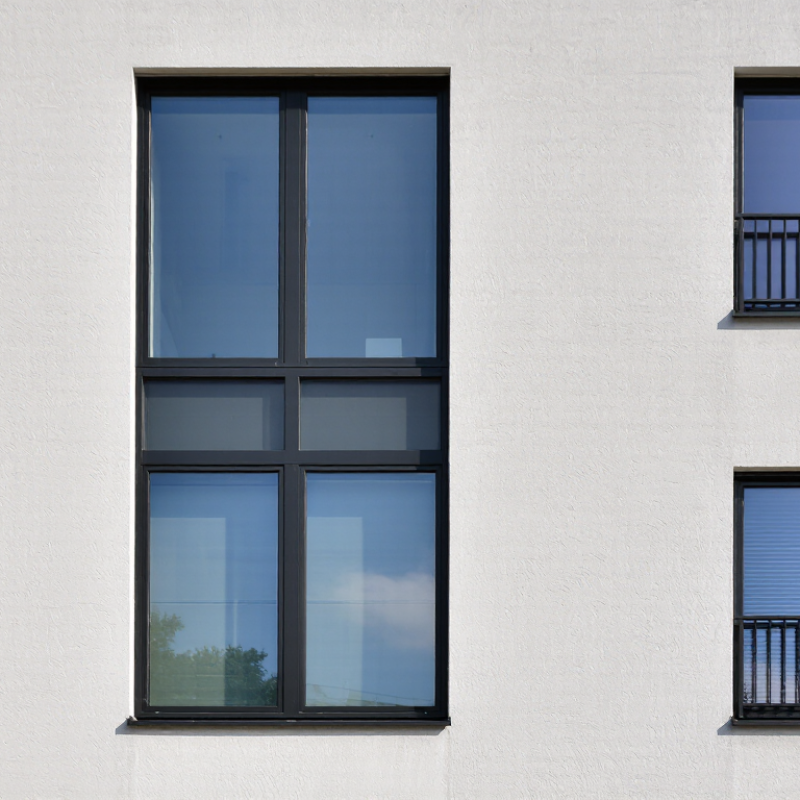
What Is the Average Price of Aluminium Windows?

What Is the Average Price of Aluminium Windows?

The average price of aluminium windows depends on size, glazing, frame design, and installation conditions. For a U.S. budget, allow roughly $400–$1,000 per standard window installed; larger openings and custom finishes can cost more. Angi’s 2024 window-replacement cost guide places the average project near $750 per window, but that figure covers different frame materials, not aluminium alone. Treat it as a broad comparison, not an aluminium-specific quote.

Installation can change the total quickly. A straightforward replacement may need little more than removal, fitting, and sealing. Brick repairs, awkward access, or new trim can add labour and materials. Energy performance matters too: the U.S. Department of Energy notes that window efficiency depends on factors such as glazing, frame, and climate. A cheaper frame may not be the best value if heat loss or condensation becomes a problem. Exact comparisons are messy, and online averages rarely describe every home.

Tips: Ask for itemised quotes covering the window, glazing, removal, disposal, and finishing. Compare the same dimensions and glass specification. Check whether installation is included. A small detail, like a deep reveal, can shift the final price.

How Are Aluminium Window Prices Usually Calculated?

Aluminium window prices are usually calculated from the opening’s size, design, and specified features. A larger frame needs more material, but size alone does not set the cost. Fixed windows often cost less than sliding or tilt-and-turn styles because they need fewer moving parts. The quote may also include glass type, frame finish, locks, handles, and thermal-performance options. Small details matter.

Installation is often priced separately or included as a line item. Ask whether the estimate covers measuring, delivery, fitting, removal of old frames, and finishing around the opening. Upper-floor access, uneven walls, or unusual shapes can add labour. Regional rates and taxes may also affect the total. Compare itemised quotes, not just the headline figure.

Tips: Give each supplier the same measurements and specification. Ask for glass, hardware, and installation costs to be listed separately. Check what happens if fitting reveals hidden damage. I’ve found that quotes can look clear until disposal or finishing is left vague. That is easy to miss. A written scope makes comparisons fairer, though it may not predict every site issue.

Which Factors Affect the Cost of Aluminium Windows?

The price of aluminium windows depends on more than the frame material. Size and shape matter: a wide opening or custom corner design usually needs more aluminium, stronger reinforcement, and careful fabrication. A small fixed window is typically simpler than a large sliding unit. Details add up.

Glazing is another major cost factor. Double or triple glazing, laminated glass, and specialist coatings can improve comfort or reduce glare, but each changes the specification. Thermal breaks within the frame can also affect performance and price. The finish matters, too; a standard colour may cost less than a custom shade or textured coating.

Then consider the hardware and installation. Sliding systems, secure locks, and heavy-duty hinges can increase the total. Difficult access, old-frame removal, or repairs to surrounding walls may add labour. Access matters. Ask whether a quote includes measuring, delivery, fitting, and finishing, since two apparently similar estimates may cover different work. Regional labour rates and the number of windows also influence the final figure. A precise average can be misleading without these details; even a straightforward-looking opening may need extra support once measured.

What Is the Average Price of Aluminium Windows?

Estimated installed cost per standard window in the U.S. Prices vary by size, glazing, finish, and installation complexity.

Typical installed prices range from about $500 for a basic fixed window to $3,000 or more for a large custom unit. Larger dimensions, energy-efficient or specialty glazing, custom colors, and difficult access can increase the final cost.

How Do Window Styles and Features Change the Price?

Aluminium window prices depend heavily on style. A fixed pane, with no opening hardware, is usually less costly than a casement or tilt-and-turn window. Opening styles need hinges, handles, seals, and careful adjustment. Sliding windows can require larger tracks and rollers, especially for wide openings. More moving parts mean more to maintain.

Size and shape matter, too. A broad window needs stronger framing than a small bathroom unit. Arched or unusually shaped designs may involve custom fabrication, which can raise both manufacturing and installation costs. Standard sizes are often more predictable. Small details matter.

Glazing and finish also change the quote. Double glazing is common, while triple glazing or specialized acoustic glass can add cost and weight. Thermal-break frames may improve insulation, but their value depends on the climate and the rest of the building. Powder-coated colors beyond standard options may cost extra. Installation can shift the total considerably, particularly when old frames need removal or openings need repair. It is easy to compare window prices and overlook those tasks. A detailed quote should list the frame, glass, hardware, delivery, and fitting separately; otherwise, a low figure may not tell the whole story. The cheapest option is not always the best fit.

How Can You Estimate the Total Installation Cost?

What Is the Average Price of Aluminium Windows?

How Can You Estimate the Total Installation Cost?

Start with the window price, but do not stop there. Measure each opening’s width and height, and note whether the frame is fixed, sliding, or opening. A standard ground-floor replacement may cost less to install than a large upper-storey window requiring scaffolding. Measure twice. Record the number of windows and any unusual shapes.

Ask installers to separate materials, labour, delivery, and removal of old frames. Check whether the quote includes glazing, handles, sealant, insulation, and interior or exterior finishing. A bare frame price can look appealing, then grow once these details appear. Access matters, too: narrow stairs, difficult parking, or fragile surrounding plaster can add time and labour. Local taxes and disposal charges may also apply.

Compare at least two itemised quotes based on the same measurements and specifications. Confirm what happens if the installer finds damp, a damaged sill, or an opening that is out of square. These issues are hard to price accurately before the old window comes out. Set aside a contingency, but ask the contractor to explain likely extra costs rather than accepting a vague allowance. Estimates are useful, not guarantees; I would treat any unusually low quote with care.

FAQS

How are aluminium window prices calculated?

Quotes usually reflect the opening size, style, glass, finish, hardware, and installation. Larger frames use more material, but size is not the only factor.

Which window styles usually cost less?

Fixed panes often cost less than sliding or tilt-and-turn windows. Opening styles need hinges, handles, seals, or tracks. More parts need care.

Can glazing choices change the price?

Yes. Double glazing is common, while triple glazing, laminated glass, or acoustic glass can add cost and weight. Thermal breaks and specialist coatings may also affect the quote.

What installation costs should I check?

Ask whether the estimate includes measuring, delivery, fitting, old-frame removal, and finishing. Upper-floor access or uneven walls may add labour. Details get missed.

Do unusual window shapes cost more?

Wide openings may need stronger framing or reinforcement. Arched and custom shapes can require careful fabrication. Standard sizes are often more predictable.

How can I compare quotes fairly?

Give each supplier the same measurements and specifications. Ask for separate costs for glass, hardware, and installation. A low headline price may omit finishing.

Can the frame finish affect the total?

Yes. A standard colour may cost less than a custom shade or textured coating. The difference can be easy to overlook.

Is the cheapest quote always the best choice?

Not necessarily. Check what happens if fitting reveals hidden damage or repairs are needed. I still find vague disposal details easy to miss. A written scope helps, but site surprises remain possible.

Conclusion

Aluminium Windows Prices vary depending on how the quote is calculated. Suppliers may price windows by size, design, glazing specification, or as part of a complete project. A basic estimate often covers the window units, while a more detailed quote may include measurement, delivery, removal of existing windows, and installation.

The final cost depends on factors such as frame dimensions, aluminium quality, glass type, energy efficiency, finish, and custom requirements. Styles with larger panes, multiple opening sections, or specialist features can cost more than simple fixed designs. To estimate the total installation cost, measure each opening, list the desired styles and features, and request an itemised quote that separates products, labour, and any additional work. Comparing quotes on the same specifications makes it easier to understand the price and plan a realistic budget.

Charlotte

Charlotte

Charlotte is a seasoned marketing professional with a deep understanding of the company's portfolio and a passion for elevating its presence in the market. With a keen eye for detail and a commitment to excellence, she ensures that our professional blog is regularly updated with insightful articles......